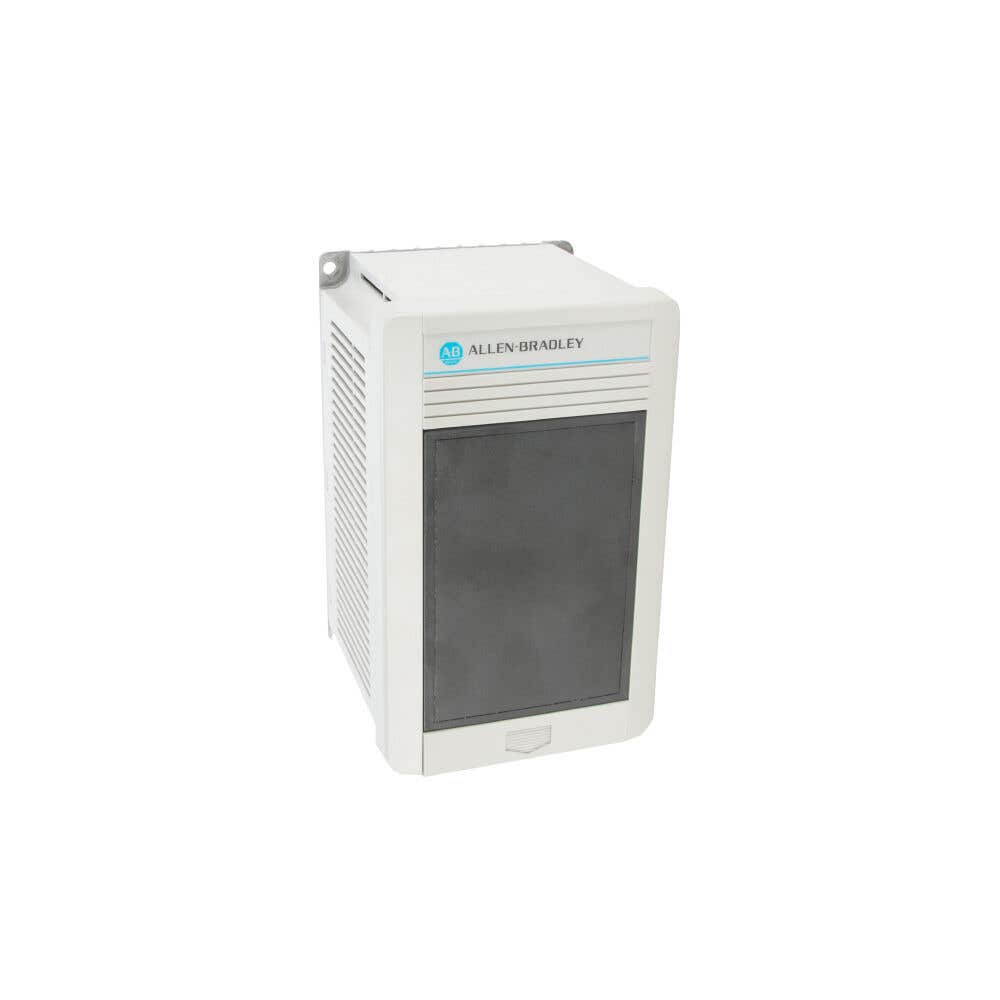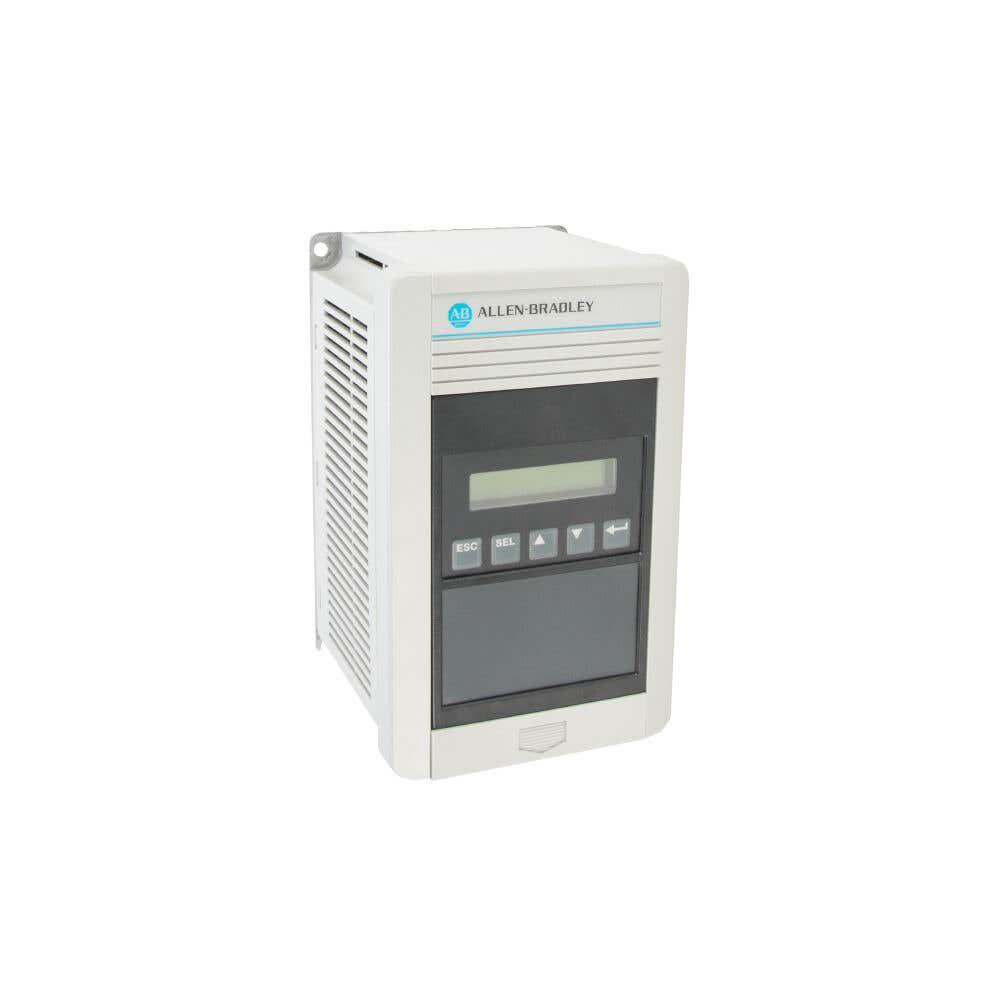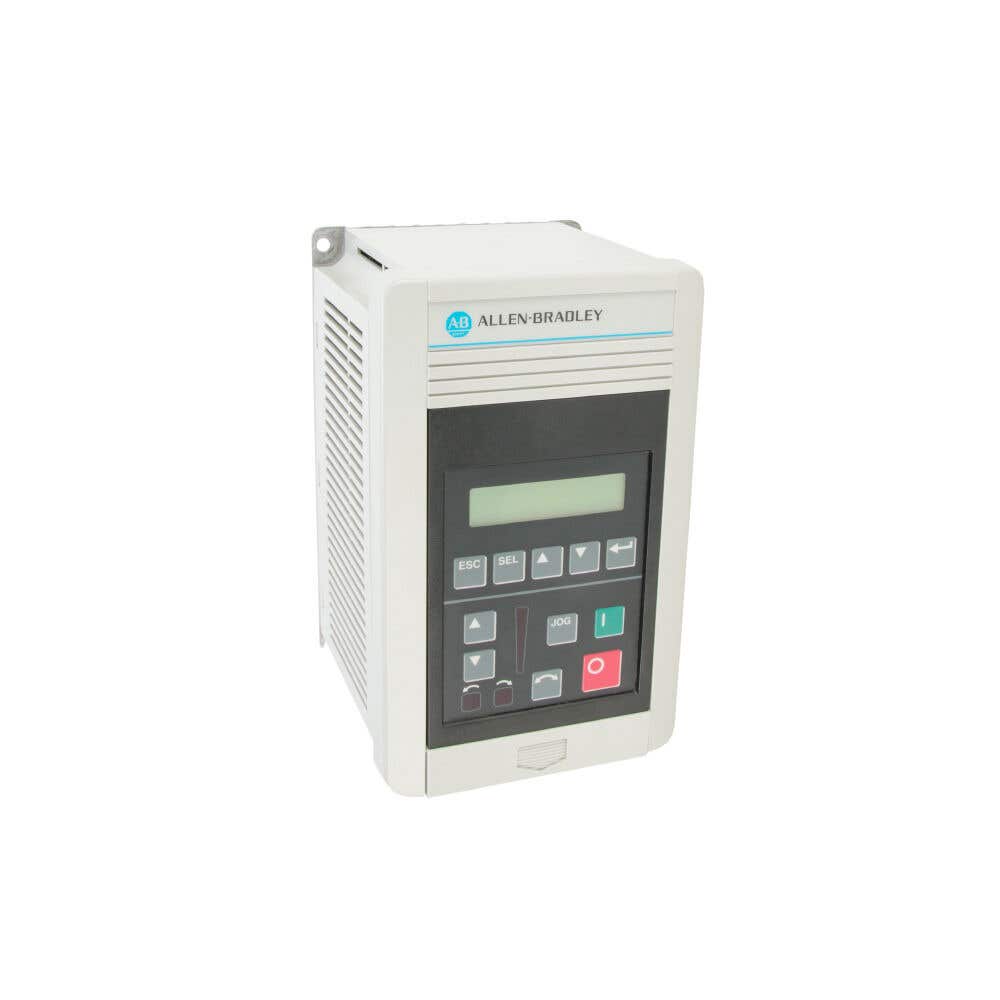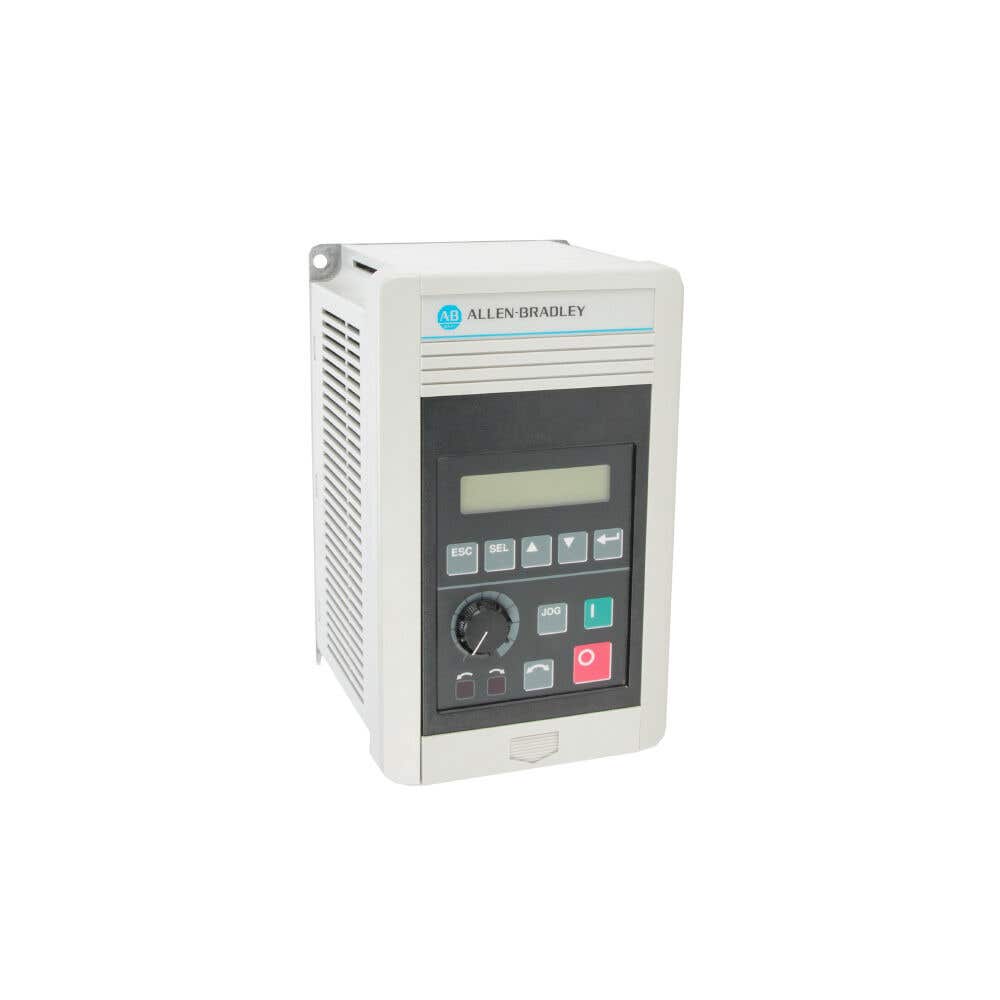

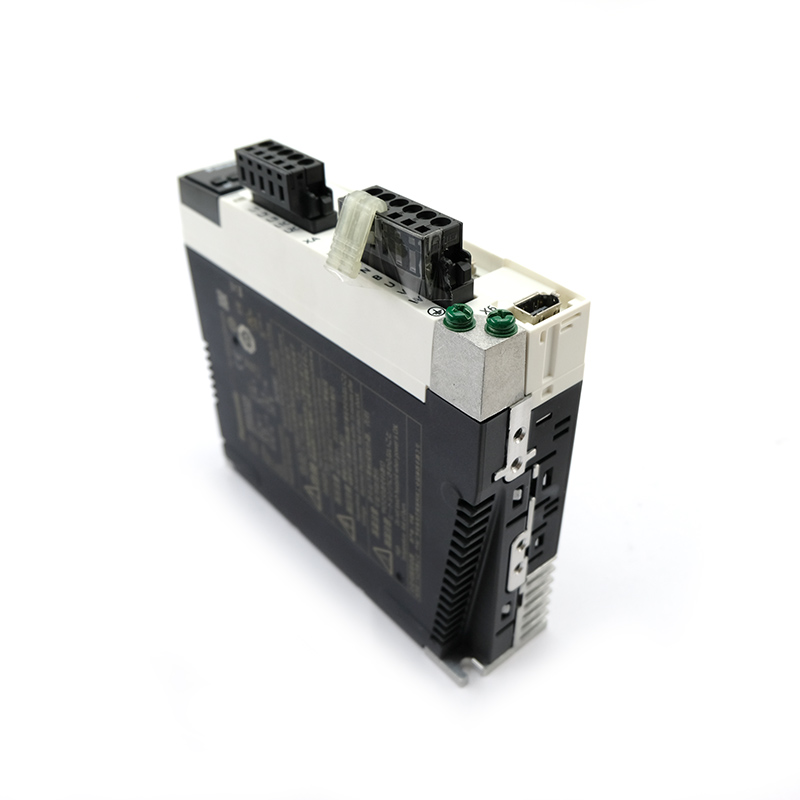
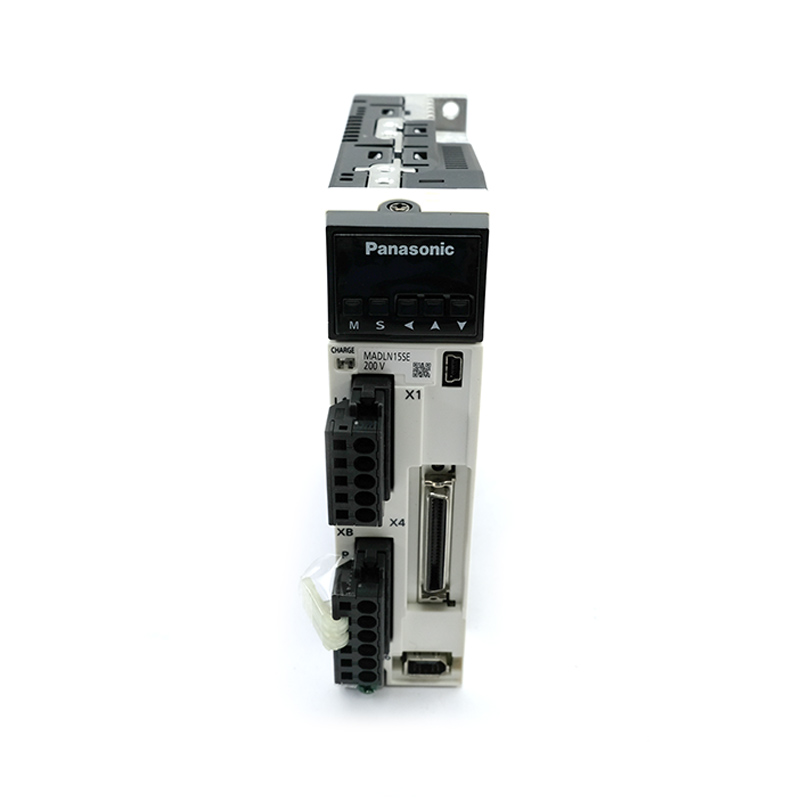
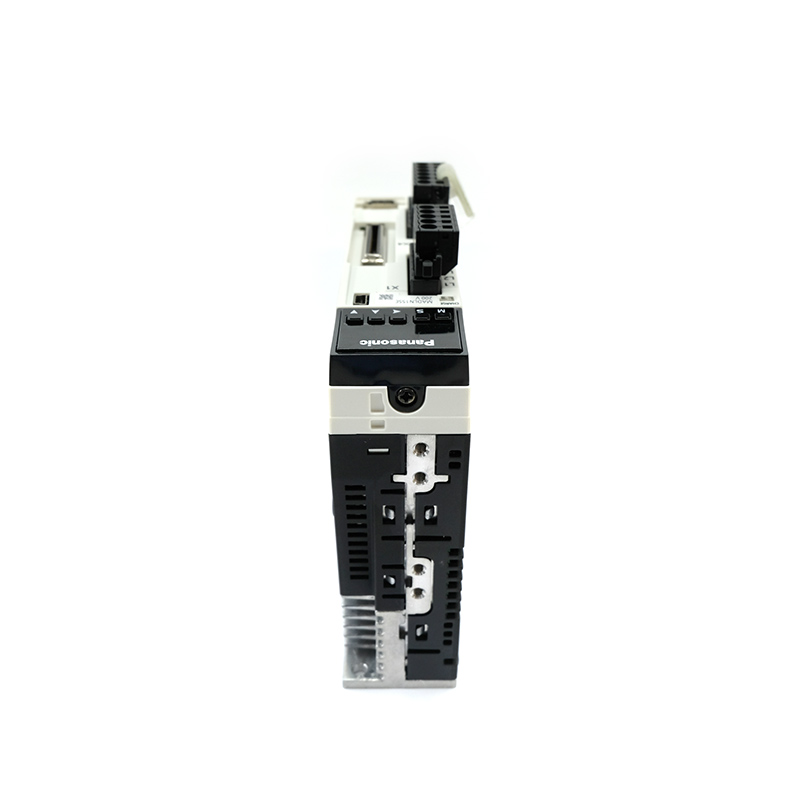
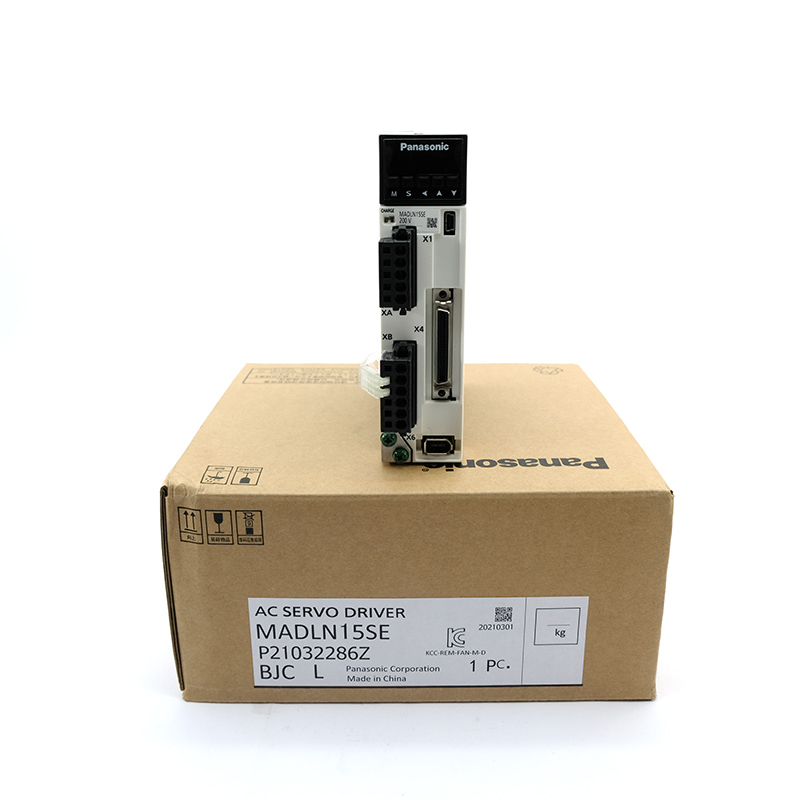
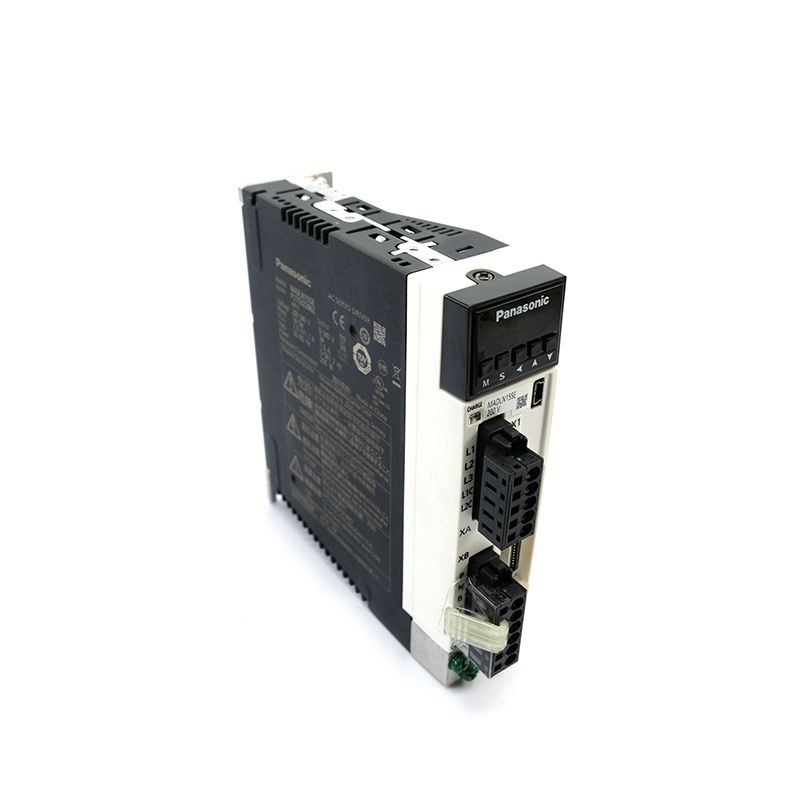
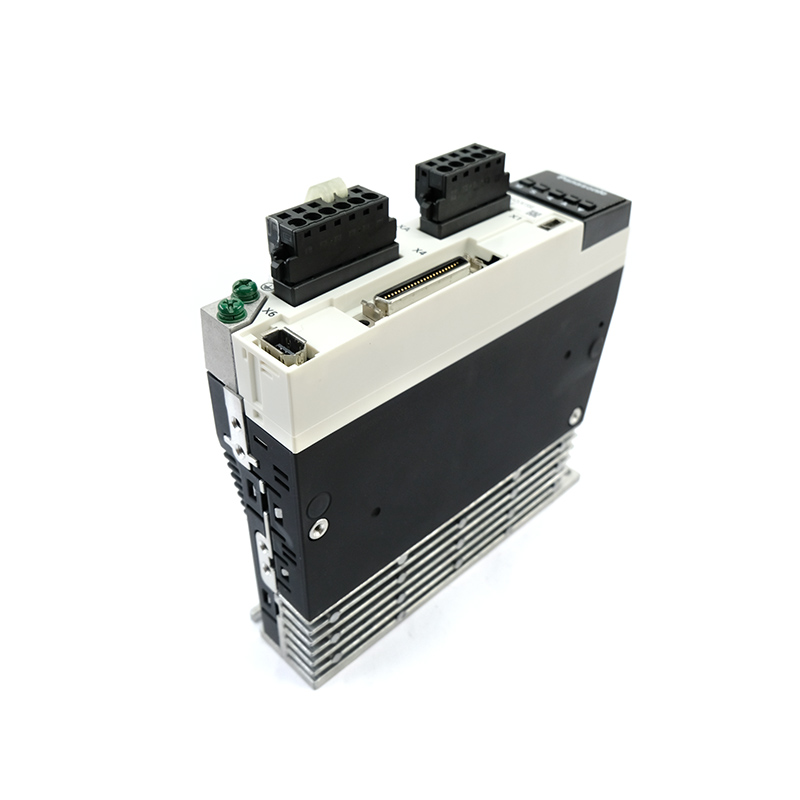
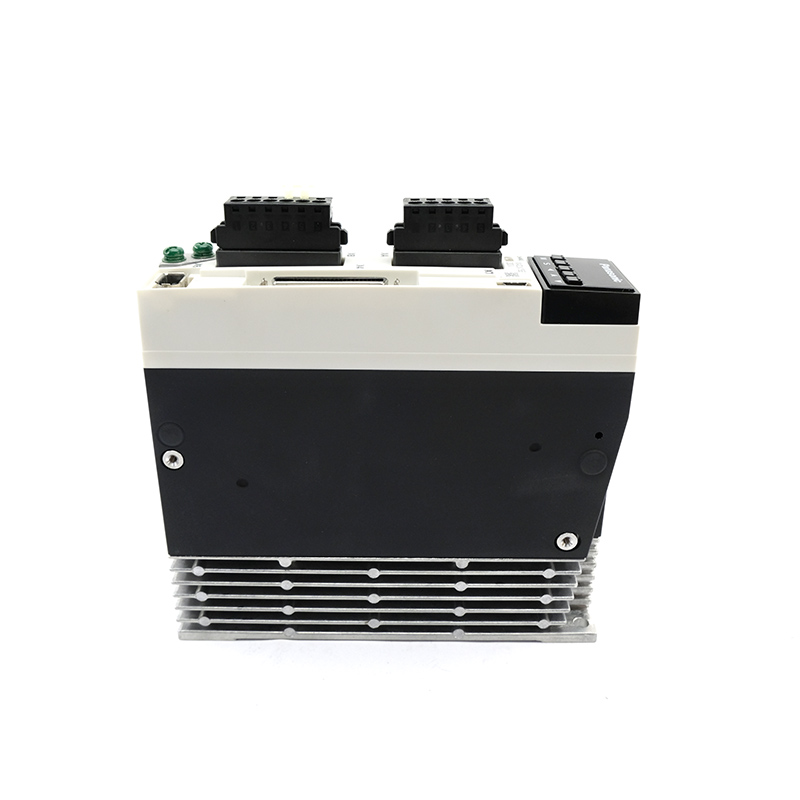
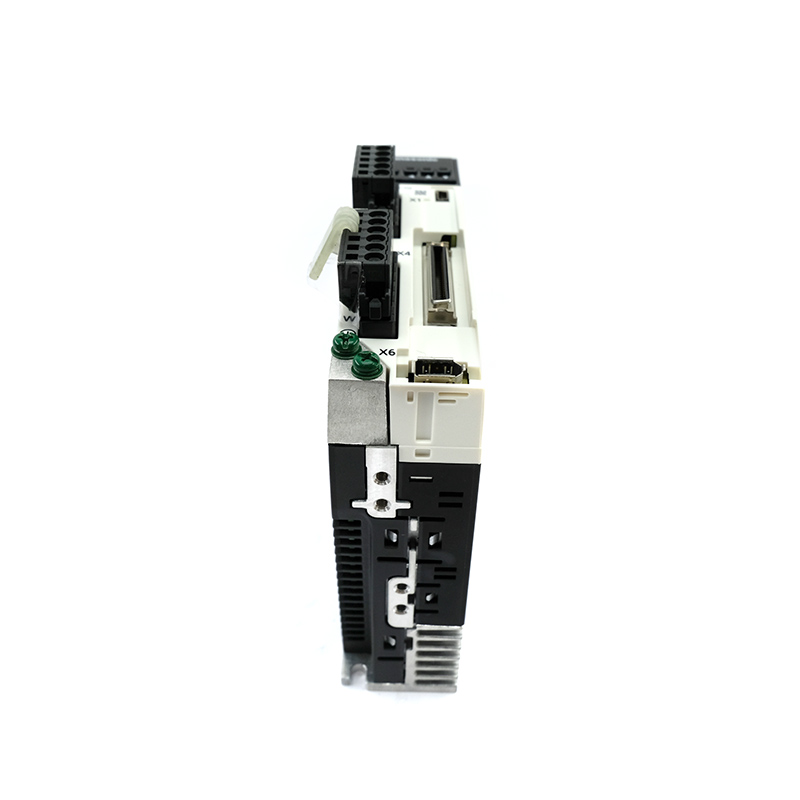
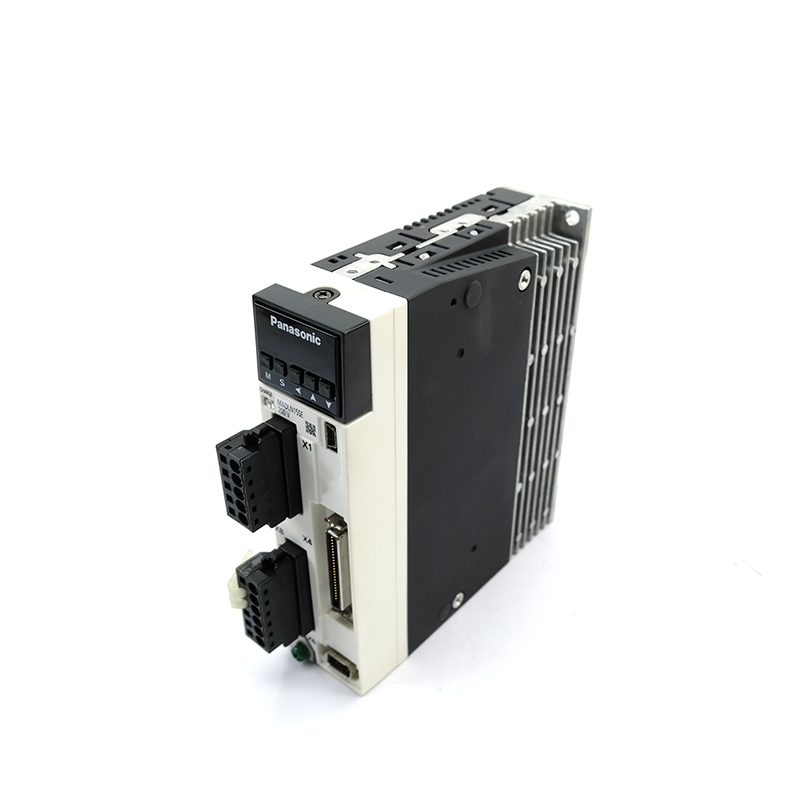
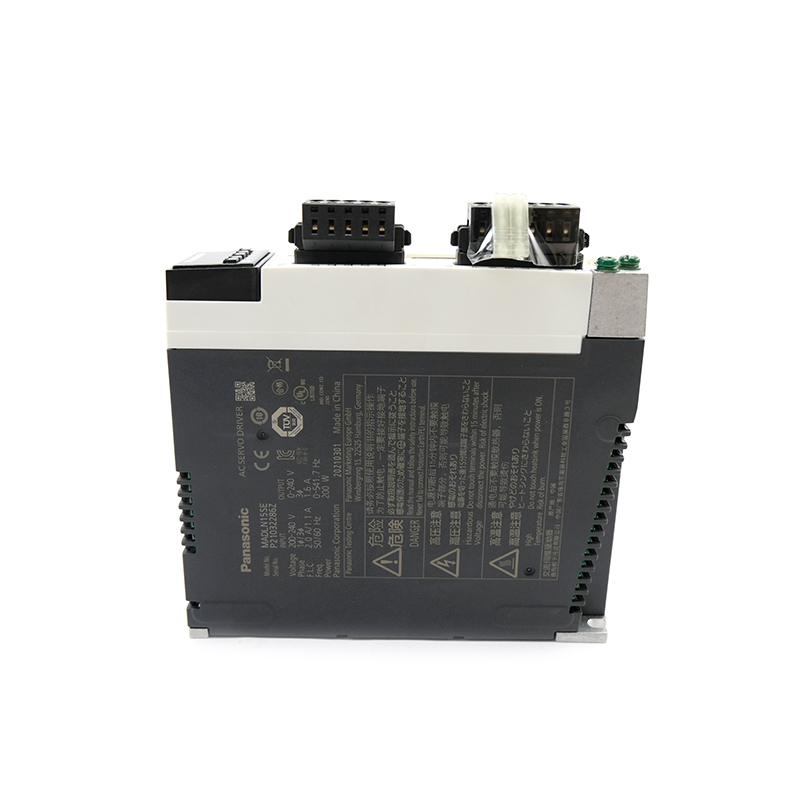
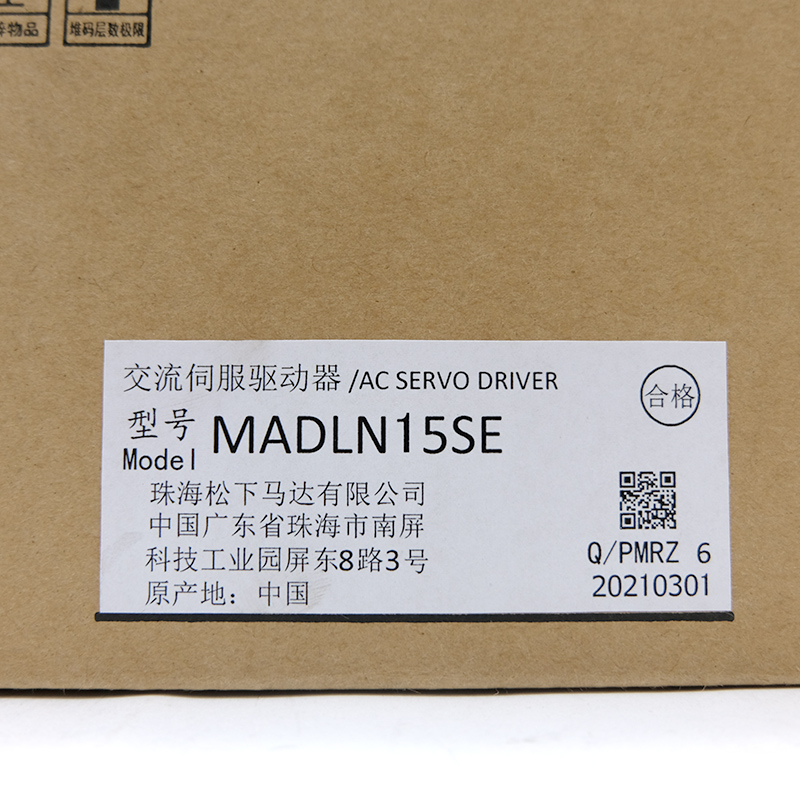
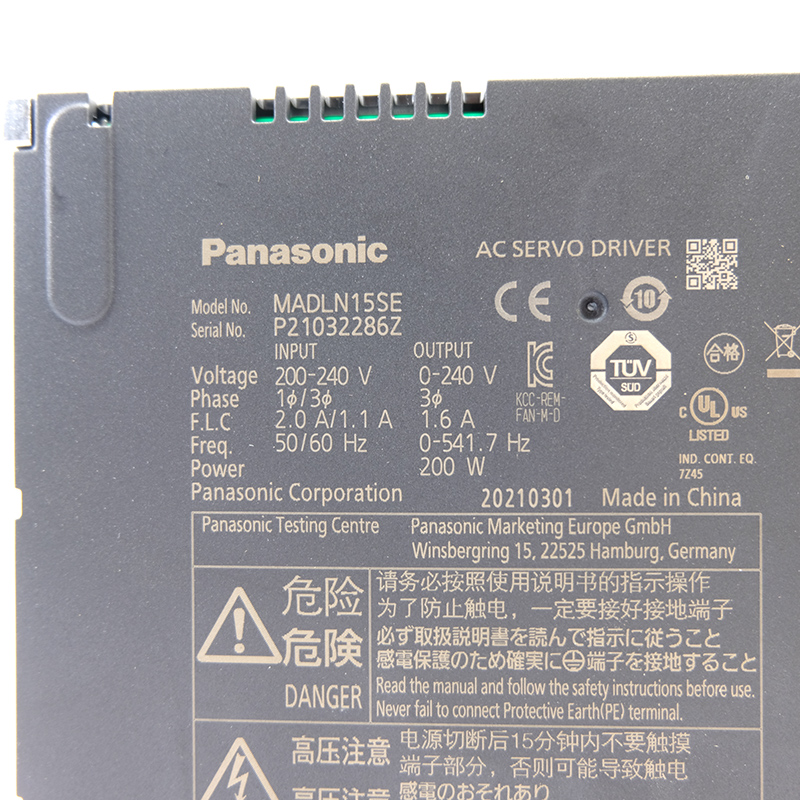
The MADLN15SE is a basic‑type pulse‑train servo amplifier in Panasonic’s MINAS A6 family, providing position control only (no absolute encoder protocol, no safety functions) and using a pulse‑train / direction signal interface to receive motion commands from a PLC, CNC controller, or motion card. The drive is rated for 200 W output power, with a rated current of about 2.5 A and a maximum load‑inertia ratio of 30:1, enabling it to drive compact servo motors for high‑speed, high‑precision tasks such as tool‑changer indexing, rotary indexing tables, and small‑axis feed drives. The unit supports multiple position control modes, including internal‑position‑sequence control with up to 256 internal blocks, allowing autonomous motion sequences to be stored in the drive itself and reducing PLC logic load.
Electrically, the MADLN15SE operates from a single‑phase or three‑phase 200 VAC supply (within the standard 200 VAC servo‑drive range), and it also requires a 24 VDC control power supply for the logic and I/O circuits. The drive includes 10 digital inputs and 6 digital outputs for functions such as servo‑ON, alarm reset, forward/reverse pulse‑train selection, and limit/interlock inputs, plus a seven‑segment LED display for parameter viewing and status indication. Communication with the host controller can be via pulse‑train only, or optionally via additional interfaces depending on exact firmware and accessories. The A‑frame compact width (≈40 mm) makes it suitable for DIN‑rail mounting in tight control cabinets alongside Panasonic A6 series motors.
Functionally, the MADLN15SE features adaptive load‑control and high‑bandwidth velocity response characteristic of the A6 series, giving fast response to load changes and vibration‑suppression suitable for robot‑type motions, label‑application machines, and high‑cycle packaging equipment. The drive does not include built‑in safety functions such as STO or SBC; instead, it is intended for systems where safety is provided by external relays or the higher‑level controller. Typical use cases include small CNC machines, labeling machines, rotary‑cutting platforms, and small‑scale robotic joints where a low‑cost, 200 W pulse‑train servo solution with simple wiring and easy tuning is required.