

Are you trying to choose between the A06B-6088-H226 and A06B-6088-H230 for your industrial automation needs? Making the right decision hinges on understanding their power ratings, compatibility, and pricing. These models are critical components in CNC systems and robotics, but which one is the best fit for your application? I’ll guide you through the key differences so you can make an informed choice—whether you’re upgrading your equipment or sourcing for a new project. Let’s dive into the details that matter most.
Understanding the A06B-6088 Series
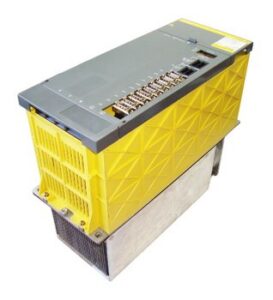
If you’re working with CNC machines or automation equipment, you’ve probably heard about the Fanuc A06B-6088 series. These are high-performance servo amplifiers designed to control servo motors precisely, ensuring smooth and efficient operation of industrial machinery.
What is the A06B-6088 Series Used For?
The A06B-6088 series primarily serves as a vital component in servo drive systems. They take control signals from the CNC controller and amplify them to drive servo motors with the right power and precision. Whether it’s for machining centers, robotic arms, or automated manufacturing lines, these amplifiers help achieve high accuracy and reliability.
Why Fanuc Servo Amplifiers Matter in CNC and Automation
Fanuc’s servo amplifiers, including the A06B-6088 series, are trusted worldwide for their durability and performance. They are essential for:
- Ensuring precise motor control
- Reducing machine downtime
- Enhancing productivity
- Matching the demands of modern industrial automation
Having the right model is critical for compatibility, power, and cost — which is why understanding the differences between models like H226 and H230 is so important.
Common Features Shared by H226 and H230
Both models — H226 and H230 — share several features:
- High reliability and durability
- Compatible with a wide range of Fanuc CNC systems
- Built-in protection functions to prevent overloads and faults
- Similar physical dimensions for easier replacement
- Advanced cooling designs
- Support for various motor types and wiring configurations
Despite their similarities, these models differ mainly in power ratings and intended applications, which influences their performance and compatibility in your setup.
A06B-6088-H226 vs A06B-6088-H230 Overview
When comparing the Fanuc A06B-6088-H226 and the A06B-6088-H230 servo amplifiers, it’s best to start with a quick side-by-side look at what makes them different. These models are part of the same series but serve slightly different purposes, so choosing the right one depends on your specific automation setup.
Quick Side-by-Side Comparison
| Feature | A06B-6088-H226 | A06B-6088-H230 |
|---|---|---|
| Power Rating | Approx. 2.2 kW (3 HP) | Approx. 3.0 kW (4 HP) |
| Compatible Systems | Smaller CNC machines, precise control | Larger setups, heavy-duty applications |
| Physical Size | Slightly smaller, more compact | Larger, supports higher power loads |
| Price Range | Generally more affordable | Usually priced higher due to power output |
Main Differences at a Glance
- Power Output: The H230 model offers a higher power rating, making it suitable for larger motors and more demanding automation tasks.
- Compatibility: The H226 tends to work well with smaller CNC machines that don’t require maximum torque, while the H230 fits bigger machines needing more drive power.
- Size and Installation: The H230 is physically larger, which might impact space considerations during installation.
- Cost: The H226 is typically more budget-friendly, but the H230’s extra power can justify its higher price.
Which Model Fits Which Setup?
If you’re running a small-to-medium CNC machine or automation system that needs reliable control without pushing maximum power, the A06B-6088-H226 is probably your best choice. It’s a solid pick for precision projects and smaller industrial setups.
On the other hand, if you’re dealing with larger machinery, heavy-duty manufacturing, or machines that call for higher motor power, the A06B-6088-H230 makes more sense. It provides the additional power and robustness that’s vital in demanding industrial environments.
Looking for details on compatibility? You can check how these models match with your existing CNC system, motors, or drives. It’s always a good idea to double-check technical specs and system requirements to avoid mismatch issues. For that, I recommend reviewing the technical specs on Fanuc servo amplifiers to ensure everything aligns perfectly.
Power Rating Comparison
A06B-6088-H226 Power Rating
The Fanuc A06B-6088-H226 servo amplifier typically offers a power rating around 1.0 kW (1.3 HP). This makes it suitable for smaller to mid-sized CNC machines that don’t demand heavy-duty power outputs. Its design emphasizes smooth and precise control for moderate loads.
A06B-6088-H230 Power Rating
In contrast, the A06B-6088-H230 provides a higher power rating, usually around 2.0 kW (2.7 HP) or more. This makes it better suited for larger CNC systems or applications requiring more torque and strength. Its increased power ensures more robust machine performance.
| Model | Power Rating | Best For |
|---|---|---|
| H226 | ~1.0 kW | Smaller CNCs, light-duty applications |
| H230 | ~2.0 kW or higher | Larger machines, heavy-duty tasks |
How Power Output Affects Performance
Power rating directly impacts how well your machine handles demanding tasks. Higher power means more torque, faster acceleration, and smoother operation under load. If your CNC needs to cut thick materials or run at high speeds for long periods, choosing the model with the right power output is key.
When Higher Power Matters
You should consider the H230 if your industrial setup involves:
- Heavy-duty manufacturing
- Large or intricate workpieces
- High-speed or high-torque requirements
On the other hand, for standard, less demanding jobs, the H226 might be enough, saving on cost and complexity.
Compatibility Breakdown
The Fanuc A06B-6088-H226 and H230 servo amplifiers are designed for specific CNC machines and systems, so matching the right model with your setup is essential for optimal performance.
Compatible CNC Machines and Systems for H226
The H226 model is widely compatible with older and mid-range CNC systems, especially those that require moderate power and straightforward drive integration. These servo amplifiers are often used in machines like the Fanuc 16, 18, and 21 series controllers, ideal for applications requiring reliable motion control without the need for high power output. If you’re unsure about your CNC system’s compatibility, checking the specific model’s specs against your machine’s requirements is key. For more details on matching servo drives, visit Servo motor compatibility.
Compatible CNC Machines and Systems for H230
The H230 offers more advanced features and higher power ratings, making it suitable for modern, high-performance CNC machines and automated systems. It’s often compatible with newer Fanuc controllers, like the 0i series, and machines that need faster response times and higher torque. If you’re upgrading or setting up a new CNC system, verifying that your machine’s drive electronics match the H230’s technical specs will save you time and money. Proper motor and drive matching are critical here; learn more about this process here.
Motor and Drive Matching
Matching the right servo amplifier to your motor and drive system is crucial. Both H226 and H230 models need compatible servo motors with matching voltage, current, and power ratings. An incorrect match can lead to performance issues or system failure. Before installation, double-check the motor specifications and ensure they align with the amplifier’s capabilities. This helps in avoiding problems like insufficient torque or overheating, which can affect your machine’s uptime and longevity.
Installation and Integration Concerns
Installing either the H226 or H230 requires careful attention to wiring, physical mounting, and system integration. The physical size and wiring connectors may differ slightly, so consulting the technical specs is essential. Also, consider your current CNC setup’s communication protocols to ensure smooth integration with your existing control system. If you’re updating your CNC system or replacing an old amplifier, verifying system compatibility can prevent potential downtime. For detailed guidance on installation, check here.
Technical Specs Comparison: A06B-6088-H226 vs H230
When comparing the A06B-6088-H226 vs H230 servo amplifiers, their technical specs can give you a lot of clues about their compatibility and performance. Here’s a quick look at the key differences:
| Specification | A06B-6088-H226 | A06B-6088-H230 |
|---|---|---|
| Voltage Range | 200-240VAC, 3-phase | 200-240VAC, 3-phase |
| Current Rating | Around 15A | Around 20A |
| Physical Size | Slightly more compact | Slightly larger and heavier |
| Weight | Approx. 4-6 lbs | Approx. 5-7 lbs |
| Mounting | Standard DIN rail or panel mount | Similar mounting options, slightly bigger footprint |
| Wiring | Connects via standard terminal blocks | Slightly more wiring space needed |
Impact on Maintenance
The H226 tends to require less space for wiring and might be easier to access for routine checks, making maintenance smoother. The H230, with its higher current capacity, may demand more careful wiring and handling, especially during replacement or troubleshooting.
These specs are designed to match different power and machine needs. If you’re upgrading or selecting one for a new setup, always cross-check your CNC machine’s power supply and motor specs. You can explore more about Fanuc servo amplifier compatibility here.
Price Breakdown
The typical market price for a Fanuc A06B-6088-H226 servo amplifier usually falls around $2,500 to $3,500, depending on the seller and condition. Meanwhile, the A06B-6088-H230 tends to be priced a bit higher, generally in the range of $3,500 to $4,500. These prices reflect factors like availability and demand in the U.S. automation and CNC parts market.
What really influences the price includes whether you’re buying a brand new unit, a used one, or a refurbished version. New units generally cost more but come with full warranties, making them a safer bet for critical operations. Used and refurbished drives are cheaper but might have limited warranty and a shorter lifespan. To find the best deal, check with trusted suppliers or authorized Fanuc distributors—this helps ensure you’re getting genuine parts and protecting your investment.
For buyers on a budget, used or refurbished models could save money, but you should always verify their condition and compatibility beforehand. Sometimes, a refurb can offer the best value by balancing cost and performance while still maintaining good reliability for CNC automation setups.
Value for Money: Which Fanuc A06B-6088 Model Offers the Best Bang for Your Buck
When choosing between the A06B-6088-H226 and A06B-6088-H230, the main question often boils down to value. Both models serve different needs, and your decision should balance cost against performance.
Cost Effectiveness and Performance
The A06B-6088-H226 is generally more budget-friendly, making it a solid choice for small to medium setups. It offers reliable performance for less, which is ideal if you’re trying to keep costs down. On the other hand, the H230 version packs a higher power rating, providing better performance — but at a higher price. So, if your application requires more torque or faster response, it might be worth the extra investment.
Best for Budget-Focused Buyers
For buyers looking to save without sacrificing core functionality, the H226 is usually the best value. It offers the essential features needed for most CNC and automation tasks, and you can often find used or refurbished units at a lower price—great for budget-conscious projects.
Balancing Cost and Performance
If your project demands consistent high performance, the H230’s higher power rating could justify the added cost. It’s designed for heavier workloads and more demanding industrial environments, so it provides better longevity and robustness that can lead to lower maintenance costs over time.
To get a clearer picture of how these models hold up cost-wise, consider not just the purchase price but also the long-term operational savings. For instance, better performance could mean fewer replacements and less downtime. For detailed pricing and availability, checking with trusted suppliers will help you make a smart buying decision—be sure to look for genuine Fanuc parts for quality assurance!
For more insights into choosing the right industrial drive, explore this useful Fanuc servo amplifier comparison. This can help clarify the trade-offs between different power ratings and features.
Best Use Cases
When to Choose A06B-6088-H226
The A06B-6088-H226 servo amplifier is ideal for applications where moderate power output is sufficient. It’s a good pick for smaller CNC machines, automated robotics, or systems that require reliable performance without pushing maximum power limits. If your setup involves less demanding tasks or tighter space constraints, the H226 offers a compact solution with stable control.
When to Choose A06B-6088-H230
On the other hand, the A06B-6088-H230 is best suited for high-power industrial applications. You’ll want to consider this model if your machine demands more torque, faster response, or larger motors. Heavy-duty CNC milling, large robotic arms, or tasks involving continuous operation at higher loads are perfect matches for the H230. It provides the extra power and robustness needed for tough manufacturing environments.
Real-World Industrial Applications
In real-world settings, the choice between H226 and H230 often depends on the specific machine and workload. For example, small to mid-sized CNC lathes or milling machines typically run well with the H226. Meanwhile, large-scale automation in automotive manufacturing or heavy equipment assembly often require the H230 to deliver the necessary power and precision. Knowing the application helps ensure you pick the right servo amplifier for smooth, efficient operation.
For more on matching servo amplifiers to your specific machine, it’s useful to check how to replace a servo motor properly, which covers compatibility tips.
Pros and Cons of the A06B-6088-H226 vs H230
A06B-6088-H226: Strengths and Limits
Strengths:
- Compact size makes it ideal for space-constrained setups.
- Lower power rating offers sufficient control for smaller or less demanding machines.
- Generally more budget-friendly, making it attractive for cost-conscious projects.
- Compatible with a wide range of CNC machines that don’t require high power outputs.
Limits:
- Limited power capacity, not suitable for high-torque or heavy-duty applications.
- Slightly lower performance margin when dealing with demanding automation tasks.
- May require careful matching with the motor and system to ensure optimal operation.
A06B-6088-H230: Strengths and Limits
Strengths:
- Higher power rating provides better performance for larger industrial machines.
- Improved torque output, making it suitable for heavy-duty CNC and automation setups.
- Greater flexibility for demanding manufacturing environments.
- Usually offers better durability under continuous operation.
Limits:
- Slightly larger size and weight, which may require different installation considerations.
- Typically comes at a higher price point.
- Overkill for smaller or less demanding applications, potentially increasing initial costs unnecessarily.
Fast Comparison Table
| Feature | A06B-6088-H226 | A06B-6088-H230 |
|---|---|---|
| Power Rating | Lower, suitable for smaller tasks | Higher, ideal for heavy-duty work |
| Size & Weight | Smaller & lighter | Larger & heavier |
| Cost | More affordable | Higher price |
| Performance in Demanding Tasks | Adequate for light to medium loads | Excels under high torque/loads |
| Compatibility | Broad for smaller CNC setups | Better for larger/industrial machines |
In , if you’re working with smaller CNC machines or automation setups, the H226 offers a good balance of cost and performance. For larger, more demanding industrial applications, the H230’s strength in power and durability makes it the better choice. Choosing the right model depends on your specific needs, machine compatibility, and budget constraints.
Buying Tips for Fanuc A06B-6088-H226 and H230
When shopping for a Fanuc A06B-6088 series servo amplifier, especially the H226 and H230 models, there are a few key things to keep in mind to make sure you get the right part.
What to Check Before Ordering
- Model Number and Part Compatibility: Always double-check the exact model number. The H226 and H230 have different specs, so confirming the number ensures you’re getting the right fit.
- System Requirements: Make sure the servo amplifier matches your CNC machine’s voltage, current ratings, and power specifications.
- Intended Use: Know whether you need the higher power output of the H230 or prefer the standard performance of the H226, based on your application.
How to Confirm Compatibility
- Match with Your Motor and Drive: Check your motor’s size and drive system. Fanuc’s servo amplifiers are designed to work with specific motor models, so consult the technical manuals.
- Consult Manufacturer’s Documentation: Use your CNC machine’s manual or contact your machine’s manufacturer or service provider to confirm compatibility.
- Use Official Resources: For precise details, review Fanuc’s technical specifications or consider consulting a supplier that specializes in Fanuc parts.
How to Avoid Mismatched Parts
- Buy from Reputable Suppliers: Always purchase from trusted sources like official vendors or authorized distributors. This helps avoid counterfeit or incompatible parts.
- Check Return and Support Policies: Ensure you can return or exchange the part if it doesn’t fit or work properly.
- Verify Serial Numbers and Certifications: Authentic Fanuc parts typically come with certifications and serial number checks to confirm their authenticity.
Where to Find Genuine Fanuc Parts
- Official Fanuc Distributors and Service Centers: The safest place to buy genuine parts is directly through authorized Fanuc representatives.
- Authorized Online Partners: Websites like OUKE CNC often list verified Fanuc components, including the A06B-6088-H226 and H230 for reliable sourcing.
- Industrial Automation Suppliers: Large industrial suppliers with a good reputation usually stock authentic Fanuc servo amplifiers.
Getting the right Fanuc servo amplifier ensures your CNC machine runs smoothly and avoids costly downtime. So, doing a little homework before buying can save you lots of headaches later. For more on selecting the best Fanuc parts, check out guided tips on CNC automation.
FAQ
Main differences between A06B-6088-H226 and H230
The key differences mainly revolve around power rating and application fit. The H226 typically offers a slightly lower power output compared to the H230, making it suitable for smaller CNC machines or setups with lighter loads. Meanwhile, the H230 is designed for higher power requirements and more demanding automation systems. Both models share common features like reliability, compatibility with Fanuc motors, and similar installation profiles, but choosing the right one depends on your specific power needs.
Can they be swapped in the same system?
In most cases, the A06B-6088-H226 and H230 are not directly interchangeable because of differences in power ratings, mounting, and wiring. Swapping these parts without proper adjustments can lead to system failures or damage. Always double-check the technical specs and compatibility before attempting to replace or upgrade. If you’re unsure, check with a professional or the original machine manufacturer.
How does power rating change machine performance?
Higher power ratings generally mean the servo drive can handle more load and deliver more torque, resulting in smoother, faster, and more precise machine operation. For example, an H230 with greater power output is better suited for heavy-duty machining or prolonged operation cycles. Conversely, lower-rated models like H226 are good for lighter tasks but might struggle under continuous high loads. Matching the drive’s power rating to your workload is crucial for efficiency and longevity.
How to buy authentic A06B-6088 parts?
To ensure you’re getting genuine Fanuc parts, buy directly from authorized distributors or trusted online vendors like OUKE CNC. Avoid third-party marketplaces with suspect listings to prevent counterfeit units. Confirm the model number, check the seller’s reputation, and always request detailed product documentation. Authentic parts come with manufacturer support and warranty, which helps protect your investment in the long run.