

Looking to decide between Siemens 6SN1123-1AA00-0LA1 and 6SN1123-1AA00-0LA3? Choosing the right power module can be the difference between smooth CNC operation and unexpected downtime. These models are popular in industrial automation and drive systems, but what sets them apart? In this comparison, you’ll discover the key specifications, performance differences, and the best applications for each. Whether you’re upgrading your existing system or planning a new setup, understanding these details will help you make a smart, informed decision. Keep reading to see which model fits your automation needs perfectly.
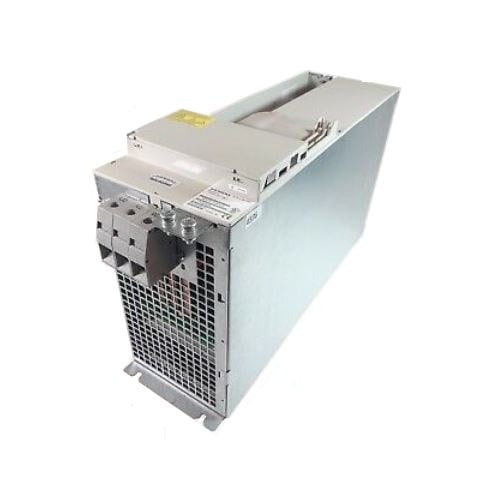
Understanding Siemens 6SN1123 Series
Are you trying to figure out how the Siemens 6SN1123-1AA00-0LA1 and 6SN1123-1AA00-0LA3 modules compare? Let’s start with some basics. The Siemens 6SN1123 series is a key part of Siemens’ powerful SIMODRIVE 611 line of industrial drive modules. These modules play a critical role in controlling motors for CNC machines, robotics, and other automation equipment.
What the SIMODRIVE 611 Power Module Does
The SIMODRIVE 611 power module acts like the brain behind motor control systems. It takes in low-voltage control signals, converts them into high-power output, and regulates motor speed and torque. Basically, it ensures machines run smoothly, reliably, and efficiently — essential for manufacturing, automation, and CNC machinery.
Where the 6SN1123 Series Fits in CNC and Industrial Automation
This series is designed for seamless integration into CNC systems and industrial automation setups. Siemens’ 6SN1123 power modules are compatible with a range of control units and are used to power large drives that require precise control and robust performance. They are ideal for high-demand environments that need reliable, long-lasting operation.
Shared Traits of 6SN1123-1AA00 Variants
Both the 0LA1 and 0LA3 models share several core features:
- Similar hardware architecture
- Compatibility with Siemens SIMODRIVE 611 systems
- Designed for industrial drive applications
- Support for high-performance motor control
- Durability under demanding operational conditions
Understanding these shared traits helps you focus on what aspects differ when choosing the right module for your setup.
6SN1123-1AA00-0LA1 vs 6SN1123-1AA00-0LA3 Overview
When comparing the Siemens 6SN1123-1AA00-0LA1 and 6SN1123-1AA00-0LA3, it’s crucial to understand their part numbers and what they are designed for. Both models are power modules used in Siemens SIMODRIVE 611 drive systems, but they serve slightly different needs.
Part Number Breakdown:
The part numbers follow a logical pattern. “6SN1123” indicates the series and type of the module, while “1AA00” specifies the variant within the series. The last part, such as “0LA1” or “0LA3,” points to the specific version or revision, which often relates to performance or compatibility.
What Each Model Is Meant For:
The 0LA1 version is generally aimed at standard drive applications, offering reliable power output for typical industrial needs.
The 0LA3 version often features updates to improve performance or support newer control units, making it suitable for more demanding automation setups.
Why People Compare These Two Siemens Modules:
Many users compare the 6SN1123-1AA00-0LA1 and 0LA3 because they are similar in appearance and application but may differ in features, firmware, or performance specs. This comparison helps manufacturers and techs decide which module fits their system better, especially when planning upgrades or replacements. Understanding these differences ensures compatibility, efficiency, and long-term system stability.
To get insights on how these modules integrate into CNC machinery or industrial automation, it helps to review detailed specifications and application guides. For instance, you can check practical installation tips and compatibility here.
Technical Specs Comparison: Siemens 6SN1123-1AA00-0LA1 vs 6SN1123-1AA00-0LA3
When looking at Siemens 6SN1123-1AA00-0LA1 and 6SN1123-1AA00-0LA3, their technical specs are crucial to determine which fits your CNC or industrial automation drive system best.
| Feature | 6SN1123-1AA00-0LA1 | 6SN1123-1AA00-0LA3 |
|---|---|---|
| Rated Current | Up to 45A | Up to 50A |
| Output Power | 15 – 22 kW | 18 – 25 kW |
| Voltage Range | 3 x 480V / 60Hz | 3 x 480V / 60Hz |
| Supply Needs | 3-phase input, specific for SIMODRIVE 611 | Similar, with slight differences in input spike handling |
| Cooling Method | Convection cooling | Similar convection cooling, some units may have optional forced cooling |
| Thermal Requirements | Adequate ventilation | Slightly higher thermal load capacity |
| Dimensions | Compact, approx. 400 x 150 x 300mm | Slightly larger, approx. 410 x 160 x 310mm |
| Weight | ~12 kg | ~13 kg |
| Overload Capacity | 120% for 60 seconds | 125% for 60 seconds |
Both modules share core technical parameters like voltage range, cooling, and physical size, but slight differences in rated current and overload capacity can impact your choice depending on the application.
For more details on power modules and their specifications, you might want to check CNC drive system parts.
Understanding these technical specs helps to pick the right Siemens 6SN1123 series module for your CNC machinery or automation setup, ensuring smooth, reliable performance.
Performance Differences: Siemens 6SN1123-1AA00-0LA1 vs 0LA3
When comparing these two Siemens modules, the main focus is on their performance in real-world automation and CNC applications. Here’s how they stack up:
Efficiency Under Load
- 6SN1123-1AA00-0LA1: Generally offers slightly higher efficiency when operating at or near full load, making it better for continuous heavy-duty use.
- 6SN1123-1AA00-0LA3: Performs well, but may have a small efficiency dip under sustained loads, suitable for less demanding scenarios.
Reliability in Long-Running Systems
| Feature | 0LA1 | 0LA3 |
|---|---|---|
| Long-term use | Slightly more robust, better for 24/7 operations | Reliable but designed for lighter duty |
- The 0LA1 tends to hold up better over long periods, especially in systems that run continuously without interruption.
- The 0LA3 is reliable but is better suited for moderate use, like batch processing or manual operation.
Response Behavior in CNC Use
- 6SN1123-1AA00-0LA1: Offers quicker response times, which is critical for precision in CNC machining.
- 0LA3: Response may be slightly slower, but still within acceptable ranges for most CNC tasks.
Stability in Demanding Automation Setups
- 0LA1: Excels in high-demand environments, providing stable voltage and minimal fluctuations during intense operations.
- 0LA3: Stable enough for standard automation tasks, but may struggle a bit in extreme conditions.
In , for rugged, continuous CNC machining or heavy automation setups, the 0LA1 tends to outperform the 0LA3 in efficiency, responsiveness, and stability. Choosing the right model depends on your system’s demands, but both are solid choices for different levels of usage.
Compatibility and System Integration
When selecting between the Siemens 6SN1123-1AA00-0LA1 and 6SN1123-1AA00-0LA3 power modules, understanding their compatibility with Siemens control units is essential. Both modules are designed to support a range of Siemens CNC and automation systems, particularly the SIMODRIVE 611 series. However, there are subtle differences in firmware support and system dependencies that can influence your choice.
Supported Siemens Control Units
Both modules generally work with Siemens’ standard control units used in CNC and industrial automation. They support integration with Siemens’ SINUMERIK, SINAMIC, and SIMODRIVE control systems. For precise compatibility, I suggest reviewing the latest Siemens manuals on firmware updates and control unit specifications. You can find detailed information on Siemens SIMODRIVE 611 integration, which can help confirm support levels for each module.
SIMODRIVE 611 Integration
Both the 0LA1 and 0LA3 modules are compatible with the SIMODRIVE 611 drive system, but there are some key differences in their firmware versions. The 0LA3 typically offers improved integration features, better stability, and additional communication compatibility, making it the better choice for newer setup upgrades or systems that need tighter controls.
Firmware and Software Considerations
Firmware versions can differ between these two models. The 0LA3 generally supports more recent firmware, which allows for enhanced features and smoother operation. When integrating these modules, it’s vital to verify firmware compatibility with your existing control software and to update if necessary. Siemens continually updates firmware to fix bugs and improve performance, so choose a module that aligns with your control system’s software version.
Interchangeability in Existing Systems
In most cases, the modules are somewhat interchangeable, but not always directly. If you’re considering swapping an 0LA1 for an 0LA3— or vice versa—double-check the system’s firmware requirements and control unit support. Upgrading or replacing modules might also involve firmware reconfiguration or software updates. Be sure to consult your system’s manuals to avoid compatibility issues.
If you want to explore how these modules fit within a broader drive system setup, check out Siemens drive system support options. It can help ensure a smooth upgrade or maintenance process.
Applications and Use Cases
Best-fit applications for 6SN1123-1AA00-0LA1
The Siemens 6SN1123-1AA00-0LA1 power module is ideal for CNC machinery and motion control systems where reliability and precision are key. It performs well in applications like high-speed positioning, servo drives, and complex automation setups requiring consistent power delivery. If you’re working on systems that demand stable operation over extended periods, this model stands out for its durability and compatibility with Siemens’ control units.
Best-fit applications for 6SN1123-1AA00-0LA3
On the other hand, the 6SN1123-1AA00-0LA3 is tailored to more demanding industrial automation and drive systems. It suits applications involving heavy-duty machinery, high load capacities, and systems that need quick response times. You’ll often find it used in large CNC machines, robotic automation, or conveyor systems where stability and robustness in high-load conditions are critical.
When one model makes more sense
Choosing between these two modules depends heavily on your specific machine’s needs. For lighter or less demanding CNC applications, the 0LA1 offers reliable performance without extra costs. Conversely, if your setup involves continuous high loads or intense automation tasks, the 0LA3 provides the extra margin of performance needed to keep everything running smoothly. For detailed specifications, check out the power module specifications guide.
Pricing and Availability of Siemens 6SN1123-1AA00-0LA1 vs 6SN1123-1AA00-0LA3
When it comes to pricing, the market for Siemens 6SN1123-1AA00-0LA00 variants can vary quite a bit. Generally, the 6SN1123-1AA00-0LA1 tends to be slightly more affordable compared to the 0LA3 version because of its specific features or availability status. However, the actual price difference often depends on the supplier, region, and current market demand.
Several factors influence these price differences, including the age of the module, its rarity, and the tech specs. Usually, older or less common variants might be cheaper but could come with limited support or warranty options.
Stock availability also plays a key role. Some modules could have longer lead times due to ongoing supply chain issues, especially if the product is specialized or discontinued. Reliable suppliers and authorized distributors, like Ouke CNC, often provide current stock status and can help you source these modules quickly, ensuring minimal downtime.
Finally, support options from suppliers—such as warranty, technical assistance, or easy returns—also affect the overall value. For example, choosing a supplier that offers good after-sales support can make a significant difference in long-term system stability and maintenance. If you’re sourcing these modules in the US, it’s worth checking with trusted outlets to secure authentic parts and avoid counterfeit issues.
Pros and Cons of Each Model
Strengths of 6SN1123-1AA00-0LA1
The 6SN1123-1AA00-0LA1 power module is known for its high reliability and efficiency in controlling CNC machines and industrial automation systems. It’s particularly praised for its robust construction, making it a popular choice for demanding environments. Its compatibility with a range of Siemens control units and proven performance under load help minimize downtime. Additionally, its straightforward design simplifies maintenance and system integration. If you’re working on a project that requires stable, long-term operation, this model is a solid pick.
Limitations of 6SN1123-1AA00-0LA1
However, the 0LA1 variant has some limitations. Its slightly lower overload capacity compared to newer models can restrict its use in high-demand setups. It’s also not the most recent version, so firmware updates and software compatibility might be more limited, potentially affecting future system upgrades. For users seeking cutting-edge features or advanced diagnostics, this might fall short.
Strengths of 6SN1123-1AA00-0LA3
The 6SN1123-1AA00-0LA3, on the other hand, offers improved performance with higher overload capacity and better thermal management. It’s designed for high-performance applications where efficiency and reliability in demanding environments are critical. Its support for the latest firmware versions makes it more adaptable for future upgrades. This model also tends to be more energy-efficient during operation, which can translate into lower running costs over time. If you need a power module that can handle high load conditions with better stability, the 0LA3 model is a smart choice.
Limitations of 6SN1123-1AA00-0LA3
On the flip side, the 0LA3 might come at a slightly higher cost and could have a larger physical footprint, complicating installation in tight spaces. Its increased complexity might also require more extensive training for setup and maintenance. For small-scale operations or systems with lighter load requirements, this model can be more than what’s needed, so size and cost become factors.
In , choosing between the 6SN1123-1AA00-0LA1 and the 6SN1123-1AA00-0LA3 depends heavily on your specific system demands and budget. The 0LA1 is reliable and straightforward, great for standard automation tasks, while the 0LA3 excels in high-performance, demanding environments with longer-term investment in efficiency.
How to Choose the Right Siemens 6SN1123 Power Module
Choosing the right Siemens 6SN1123-1AA00-0LA1 or 6SN1123-1AA00-0LA3 power module depends on a few key points. First, compatibility is critical. Make sure the module fits your existing system, especially if you’re upgrading or replacing. Check system manuals or datasheets for compatibility info, like supported control units or firmware versions. You can find detailed specs here for Siemens PLCs and drive systems.
Next, review your power and load requirements. The 6SN1123 modules have different rated currents and output powers. Matching these specs to your motor or automation load ensures reliable operation without overloading. Use tables like this for quick comparison:
| Feature | 0LA1 Model | 0LA3 Model |
|---|---|---|
| Rated Current | Lower for smaller loads | Higher, suited for bigger motors |
| Output Power | Suitable for standard CNC drives | Better for high-torque applications |
Your budget and long-term value matter too. The 0LA3 generally comes at a higher upfront cost but offers more power and possibly better durability for demanding environments. Think about future upgrades, as compatible modules can save you money down the line. For sourcing, reliable suppliers like our trusted partner can ensure you get quality modules with support.
Lastly, consider upgrade and replacement planning. If your system is aging, check if your current setup can handle a newer module or if adjustments are needed. Always verify if a module is interchangeable or if firmware updates are necessary—this avoids downtime. When in doubt, consulting system manuals or contacting the manufacturer is a good idea.
In :
- Confirm system compatibility
- Match power/load specs
- Weigh long-term benefits vs. initial cost
- Plan ahead for upgrades and replacements
By paying close attention to these points, you’ll pick the right Siemens module that keeps your automation running smoothly and efficiently.
FAQ on Siemens 6SN1123 Comparison
Main differences between 0LA1 and 0LA3
The biggest difference is in their internal design and electrical specs. The 0LA1 model typically offers slightly higher rated currents and broader voltage ranges, making it suitable for more demanding applications. The 0LA3 generally has a more advanced cooling system and improved thermal performance. These differences impact how they perform in different automation setups.
Can they be swapped in the same system?
In most cases, no. Even though they look similar, a 6SN1123-1AA00-0LA1 isn’t always interchangeable with a 6SN1123-1AA00-0LA3. Compatibility depends on your control system, firmware version, and load requirements. Always check your system’s manual or consult Siemens support before swapping modules to avoid compatibility issues and system downtimes.
How to check manuals and datasheets
You can find detailed manuals and datasheets directly on Siemens’ website or authorized distributors. Look for the part number and ensure the datasheet matches your model. These documents include electrical specs, dimensions, wiring diagrams, and firmware details. Siemens’ official site is a good resource, or you can search for the specific model numbers online.
What to ask before buying a replacement module
- Is my current system compatible with the new module?
- Do I need the exact same part number or a newer revision?
- What is the load current and voltage range?
- Are there firmware updates required?
- Is the supplier authorized to ensure genuine Siemens quality?
- What’s the lead time and availability?
Matching these details helps prevent issues later on, especially for critical CNC or automation setups. If you’re unsure, consulting with a Siemens certified technician or supplier can save trouble down the line.
This quick FAQ should help clarify common questions about choosing between the 6SN1123-1AA00-0LA1 and 6SN1123-1AA00-0LA3 modules, ensuring you pick the right part for your system.