

The Evolution of Industrial Automation in 2026
Industrial automation has transformed from isolated tasks into interconnected ecosystems that drive smarter, more efficient manufacturing. Today’s factories rely on seamless data flow and integrated control systems to optimize operations and reduce downtime.
However, adopting next-generation technology presents key challenges. Manufacturers face issues like hardware obsolescence, supply chain disruptions, and the need for rapid component sourcing. Ensuring hardware availability is now critical to maintaining productivity and avoiding costly delays.
Supply chain resilience is more important than ever. Discontinued PLC modules, rare CNC system components, and other essential parts can halt production if not managed properly. A proactive approach—such as hybrid inventory strategies—helps keep factories running smoothly, even amid global disruptions. Reliable hardware sourcing from trusted parts suppliers like OUKE ensures continuous uptime and operational stability in this evolving landscape.
Top 5 Trends Shaping Industrial Automation in 2026
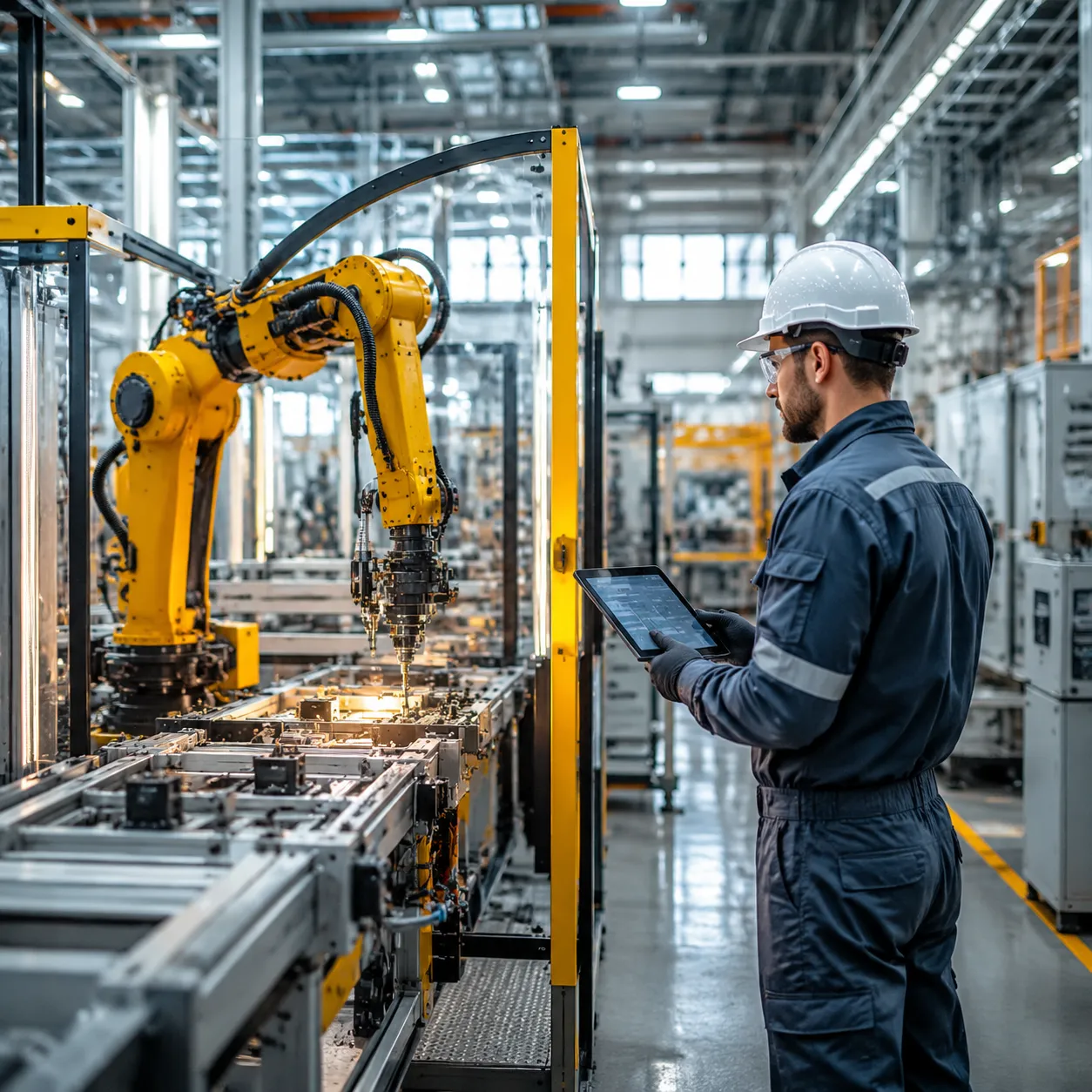
Physical AI and Real-Time Vision Systems are transforming factory floors by enabling machines to see and interpret their environment instantly. These systems improve defect detection and process control, making manufacturing more precise and efficient. Edge AI workstations are playing a key role here, bringing AI processing closer to the production line for faster decisions without relying solely on cloud connectivity.
Agentic Automation and System Orchestration go beyond traditional PLCs, creating autonomous, self-optimizing workflows. These advanced systems can adapt in real-time, reducing manual intervention and boosting productivity. As factories move toward Industry 5.0, human-machine collaboration becomes more seamless, ensuring smarter, more flexible operations.
Digital Twins for Mid-Sized Manufacturing are making digital models accessible and practical for smaller plants. These virtual replicas help optimize processes, predict failures, and plan maintenance, all without huge upfront investments. Digital twins are becoming a vital part of making smart manufacturing scalable for all sizes of operations.
Retrofitting Over Greenfield Projects is gaining traction because upgrading existing lines is now more cost-effective than building new. Retrofitting allows factories to leverage current infrastructure while integrating the latest automation components, reducing downtime and capital expenditure.
Predictive Maintenance Driven by Sensors shifts manufacturing from reactive to proactive. Sensors continuously monitor equipment health, predicting failures before they happen. This approach minimizes costly downtime and extends machinery lifespan, ensuring factories stay operational and competitive.
These trends are shaping the future of industrial automation in 2026, emphasizing smarter, more connected, and resilient manufacturing environments.
The Hardware Backbone of 2026 Smart Factories
Reliable hardware forms the foundation of successful Industry 5.0 manufacturing. Essential control systems include advanced PLCs and EtherCAT modules, which enable fast, seamless communication across automation networks. These controllers are crucial for managing complex workflows and ensuring system stability.
High-precision motion control components like encoders, servo motors, and VFDs are vital for accurate positioning and smooth operation. Proper selection and lifecycle management of servo motors, for example, can significantly reduce factory downtime and maintenance costs. For detailed insights on servo motor controllers, visit this guide.
Human-Machine Interfaces (HMI), such as intuitive touchscreens and tech pendants, make complex automation accessible and easy to operate. They improve user interaction and troubleshooting, which is essential for maintaining continuous production.
Ultimately, the importance of reliable physical infrastructure cannot be overstated. Without robust control systems, high-precision motion devices, and user-friendly HMIs, even the most advanced software solutions will struggle to deliver optimal results. Ensuring hardware quality and availability directly impacts factory efficiency and resilience.
Obsolescence and Supply Chain Bottlenecks in 2026
Lifecycle gaps
I keep seeing the same problem in U.S. plants: the machine still runs, but the control hardware ages out fast. That gap between long-lasting equipment and fast-moving electronics drives industrial supply chain resilience decisions every day. When a drive, PLC module, or encoder goes obsolete, downtime can hit fast.
Downtime risk
A missing part can stop production, and discontinued PLC modules or rare CNC system components are often the hardest to replace. I treat obsolete parts management as a practical way to reduce risk before a line goes dark. The goal is simple: keep critical hardware available before the shortage turns into a shutdown.
Smarter procurement
For multi-brand hardware procurement, I rely on a hybrid inventory approach:
-
- New parts for long-term reliability and full warranty coverage
- Used parts when speed matters and the budget is tight
- Stocked backups for high-failure items like PLCs, power supplies, and EtherCAT terminals and modules
- Fast sourcing for rare modules, so production does not wait on a long lead time
Risk control
The best way to reduce bottlenecks is to build around parts availability, not just machine life. That means planning for legacy system retrofitting, tracking component lifecycle management, and keeping proven spares on hand. In practice, that is how I help plants avoid costly stoppages and keep production running.
Future-Proofing Industrial Automation in 2026 with OUKE
I keep production lines moving by working with a multi-brand industrial automation parts supplier that is built for speed, stock depth, and less downtime. OUKE covers the parts that matter most in real factories: PLCs, HMI touch screens, servo motors, VFDs, encoders, sensors, and CNC system components.
Why OUKE fits critical sourcing
| Need | What OUKE brings |
|---|---|
| Hard-to-find parts | 10,851+ SKUs in stock |
| Fast recovery | 48-hour shipping for urgent jobs |
| Lower risk | 1-year warranty on new parts, 3-month warranty on used parts |
| Faster buying | Quotes within 24 hours and technical support |
For tighter procurement planning, I rely on OUKE’s approach to buying automation parts, especially when I need multi-brand hardware procurement that supports legacy system retrofitting and keeps discontinued PLC modules in play.
Built for uptime
-
- Fast global logistics help reduce mitigating factory downtime
- New and used options support different maintenance budgets
- Brand coverage includes Siemens, Fanuc, Allen-Bradley, ABB, Yaskawa, Mitsubishi, Danfoss, Schneider, and more
- Reliable hardware sourcing supports long-term industrial supply chain resilience
OUKE gives me a practical way to protect uptime, extend equipment life, and keep EtherCAT terminals and modules, servo motor lifecycle management, and other critical spare parts ready when production needs them most.
Conclusion: Embracing the Future of Manufacturing in 2026
Balancing AI-driven innovations with reliable hardware foundations is essential for staying competitive in 2026’s manufacturing landscape. As factories adopt physical AI and real-time vision systems, ensuring your control systems and sensors are top-quality is critical. Proactive planning for component obsolescence and supply chain disruptions can prevent costly downtime and keep production flowing smoothly. Partnering with trusted industrial automation parts suppliers like OUKE provides access to a vast inventory of multi-brand components, fast global logistics, and warranty-backed quality. Securing critical parts today ensures your factory remains resilient and ready for the future. Staying ahead means investing in dependable hardware sourcing now, so you can confidently navigate the evolving industry landscape tomorrow.