

What is a PLC?
A PLC is essentially a special-purpose computer uniquely designed to automate machines and industrial processes. Unlike traditional computers, it lacks conventional user interfaces like screens or keyboards and is typically mounted inside control panels on factory floors. Originally, PLCs were developed to replace complex arrays of relays which managed machine logic in a cumbersome and inefficient way.
From Relays to PLCs: A Major Leap in Automation
Relay logic, which mechanically switched devices on and off, was the old standard for controlling machines. However, relay panels were:
-
Time-consuming to design and modify
-
Prone to frequent failures requiring extensive downtime
-
Energy inefficient, generating heat and soot
-
Physically large and space-consuming
PLCs revolutionized this by offering a programmable solution that was more reliable, compact, and easier to update than relay systems.
The Anatomy of a PLC
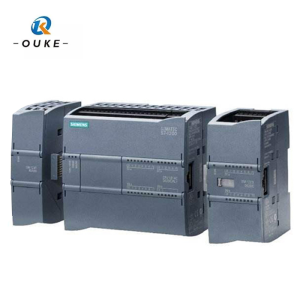
At its core, a PLC system is composed of:
-
CPU Module: The brain of the PLC where processing happens
-
Input/Output (I/O) Modules: Devices that receive signals from sensors (inputs) and send commands to actuators (outputs)
These modules typically connect via a backplane—a circuit board that facilitates communication and power distribution. While I/O modules often reside inside the same cabinet, advanced systems can connect remote I/Os via data cables to accommodate large or distributed installations.
Beyond Digital: Analog and Numerical Processing
Modern PLCs handle more than just simple on/off digital signals. They accept analog inputs and outputs, enabling measurements like temperature, pressure, and flow rates. Along with this, manufacturers have integrated advanced functionalities such as:
-
Statistical Process Control (SPC) calculations
-
PID (Proportional-Integral-Derivative) controllers directly within PLC logic
This allows complex control algorithms to run seamlessly within the PLC, enhancing process precision and efficiency.
Programming the PLC
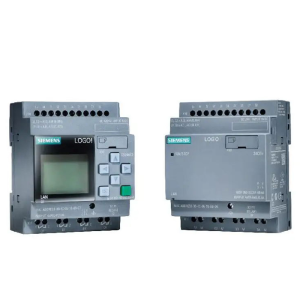
Programming is what brings a PLC to life. Typically, engineers use specialized software on a PC or laptop to write and upload control logic to the PLC. Communication with the PLC usually occurs over Ethernet or proprietary buses, with USB also becoming common. In many modern systems, engineers also integrate devices such as a Siemens PLC touch screen or a Siemens PLC module to expand functionality and improve usability.
One significant challenge in the PLC world is the lack of programming standardization. While many vendors promote ladder logic, each has its unique dialect, capabilities, and processing order. This variation can complicate learning and interoperability.
Efforts Toward Standardization
To address this, the IEC 61131-3 standard was developed and endorsed by bodies like the American National Standards Institute (ANSI). This standard defines multiple programming languages for PLCs, each with distinct advantages. Still, local or company-specific standards often dictate the choice of language.
Conclusion: Embracing the Future of Industrial Controls
Understanding the basics of PLCs is fundamental for anyone venturing into industrial automation or controls engineering. These versatile devices continue to power critical manufacturing processes around the globe, evolving to meet the demands of modern industry.
For those eager to deepen their knowledge, platforms like RealPars offer extensive training on PLC programming and control systems, opening doors to lucrative career opportunities in automation.
Stay tuned as we continue to explore more aspects of industrial control systems in future posts and videos!