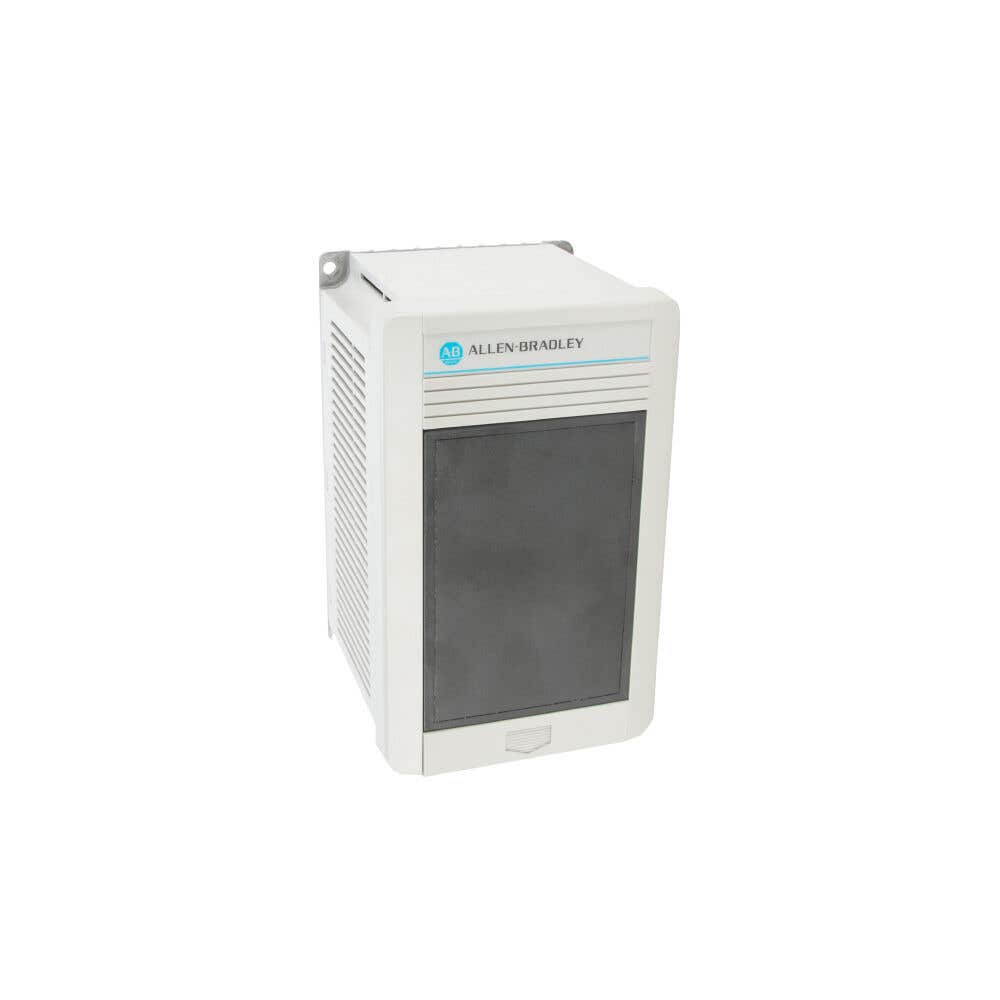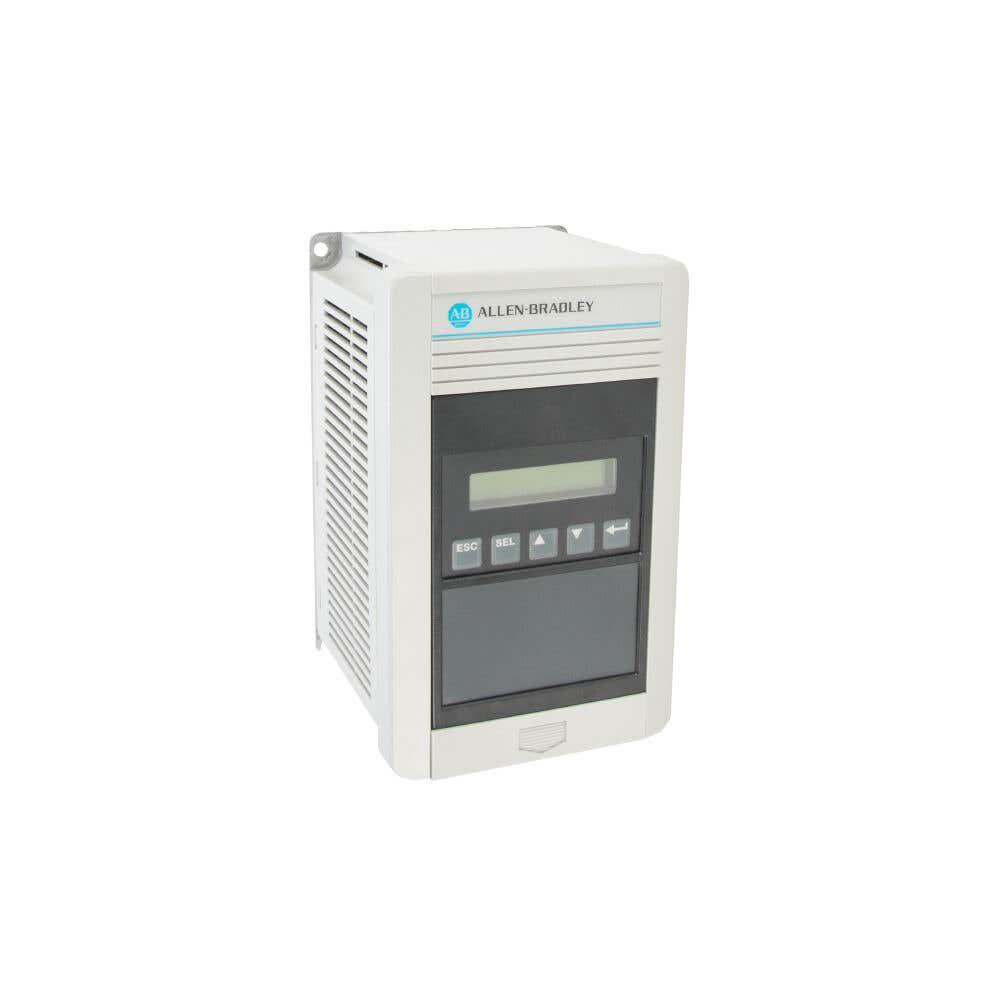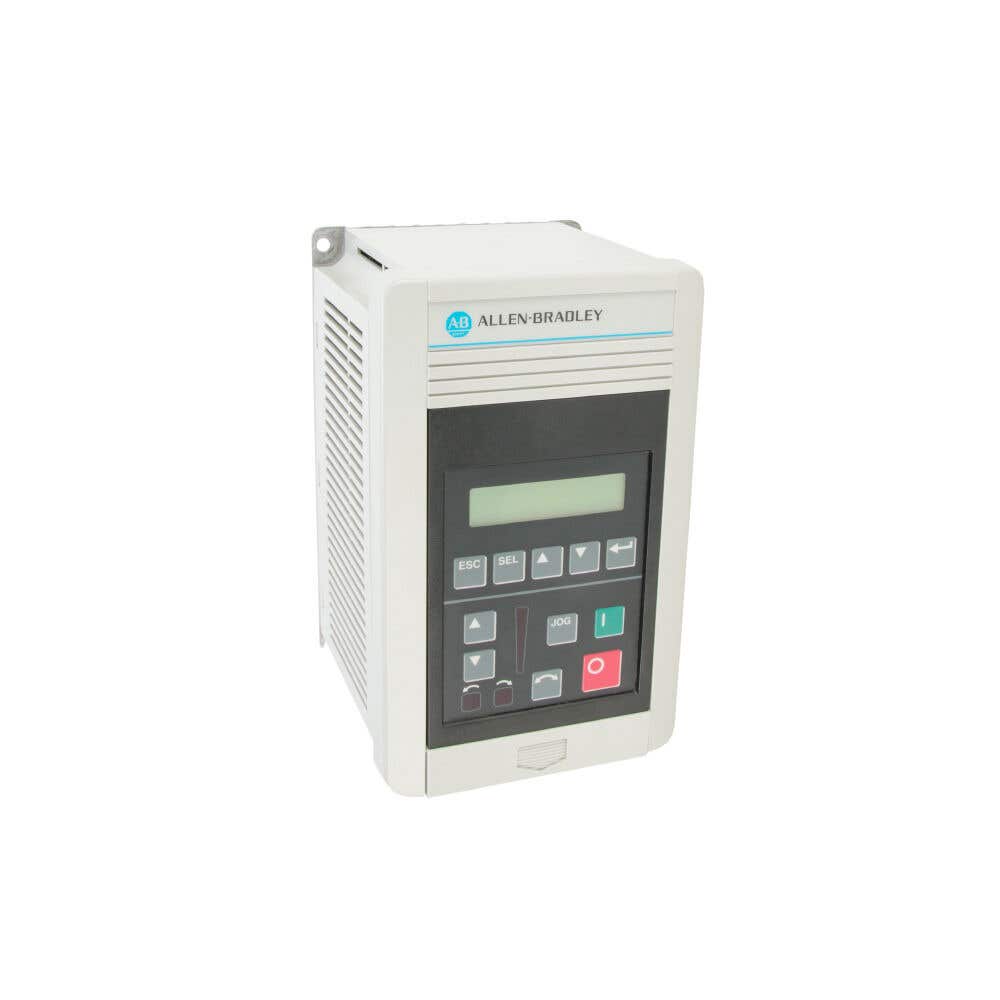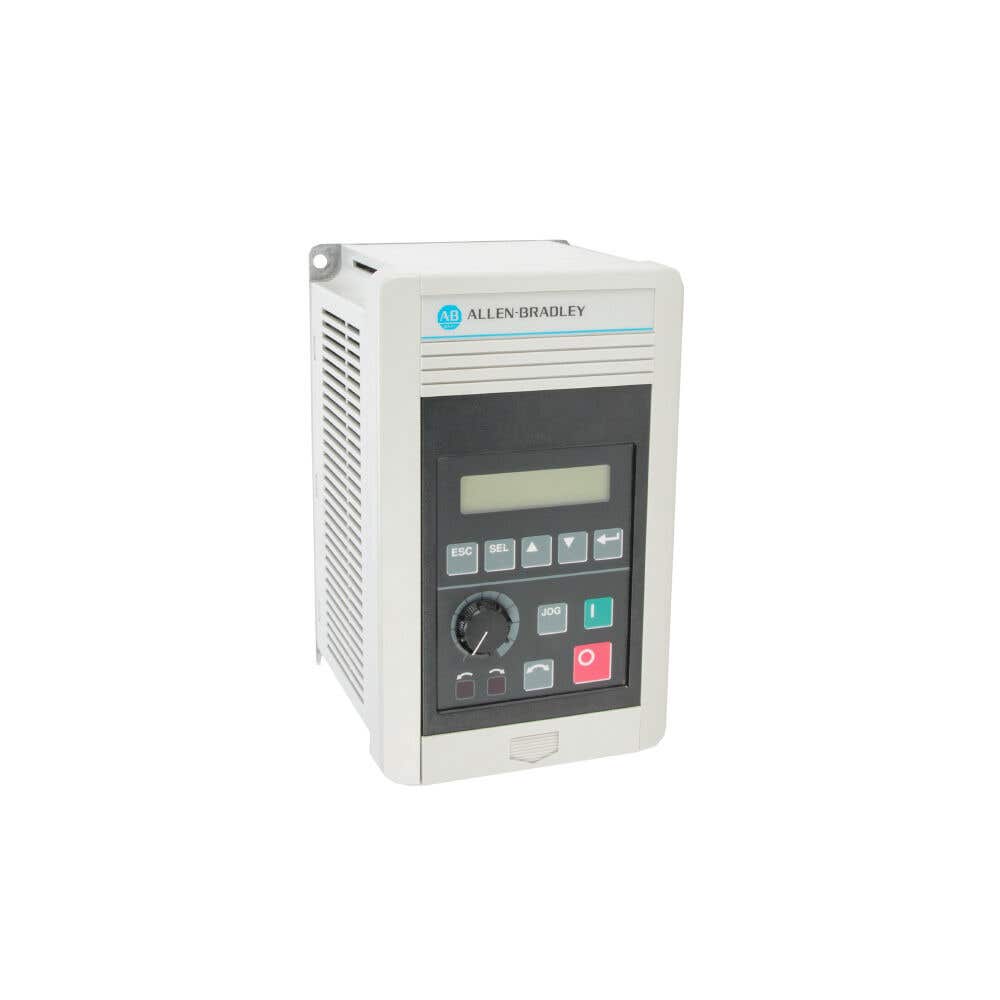

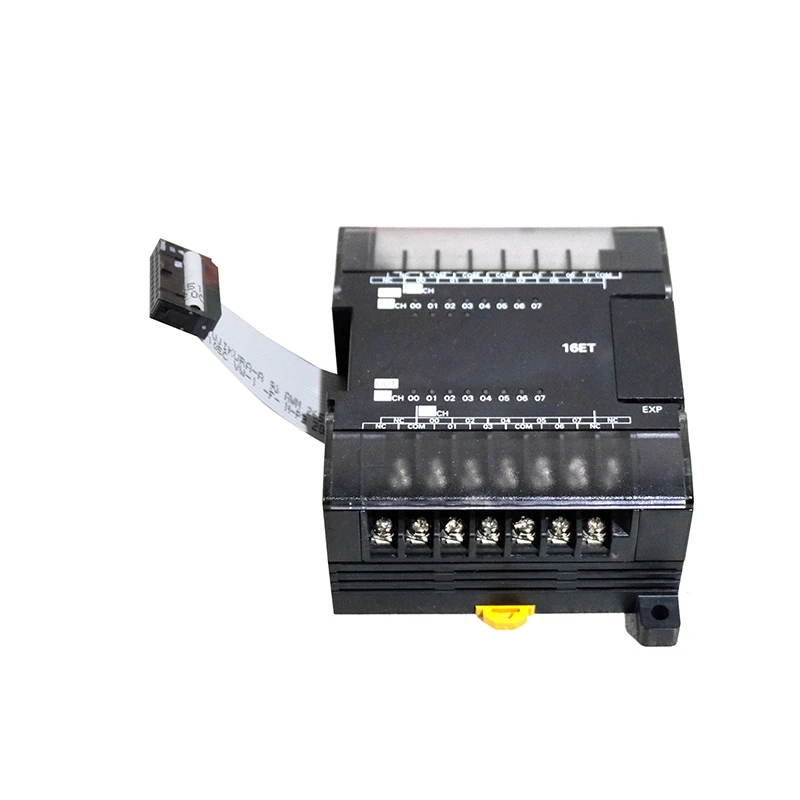
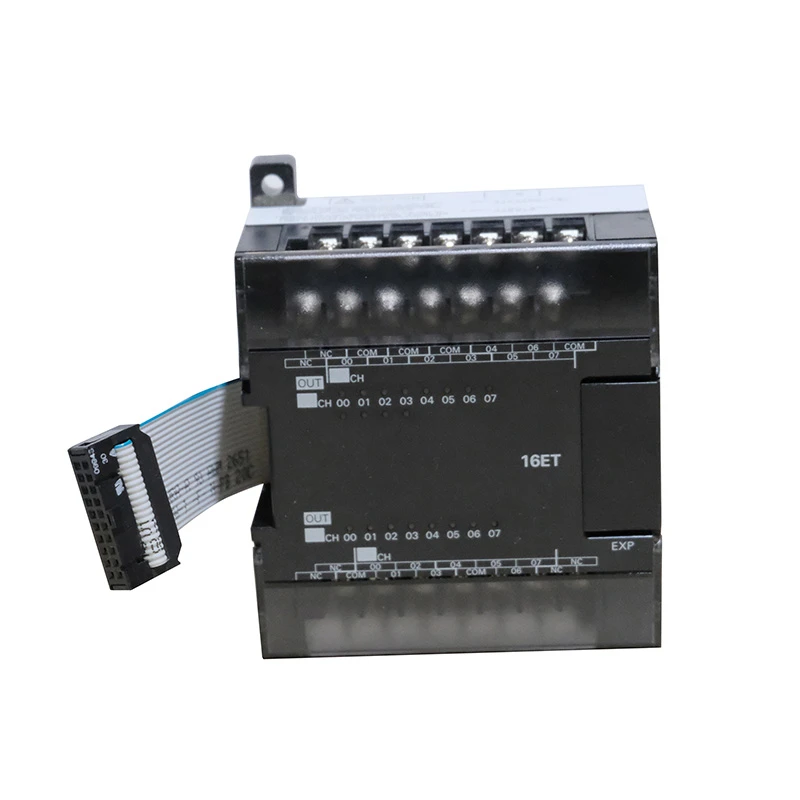
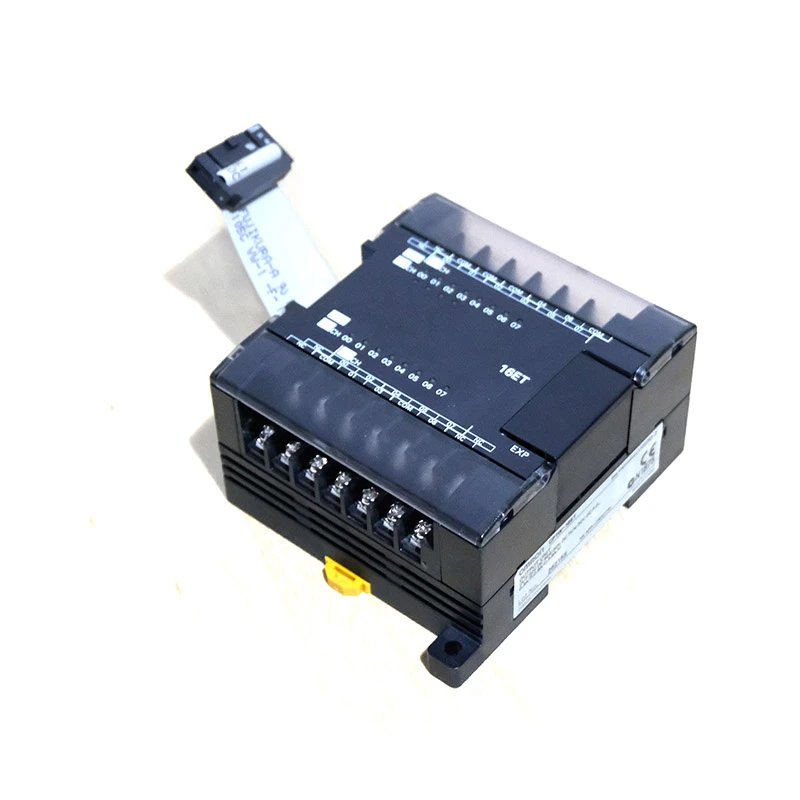
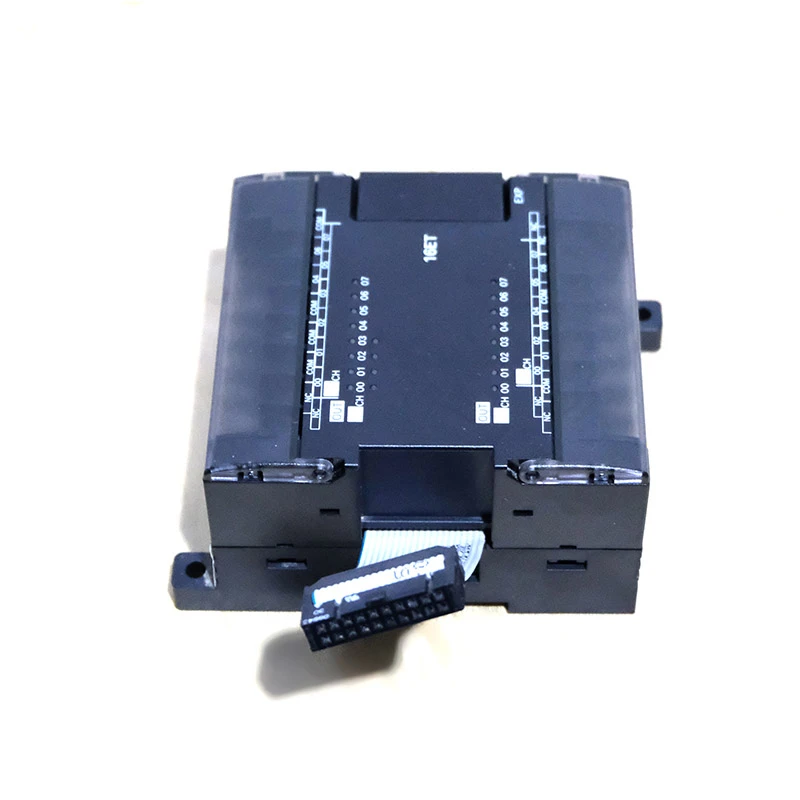
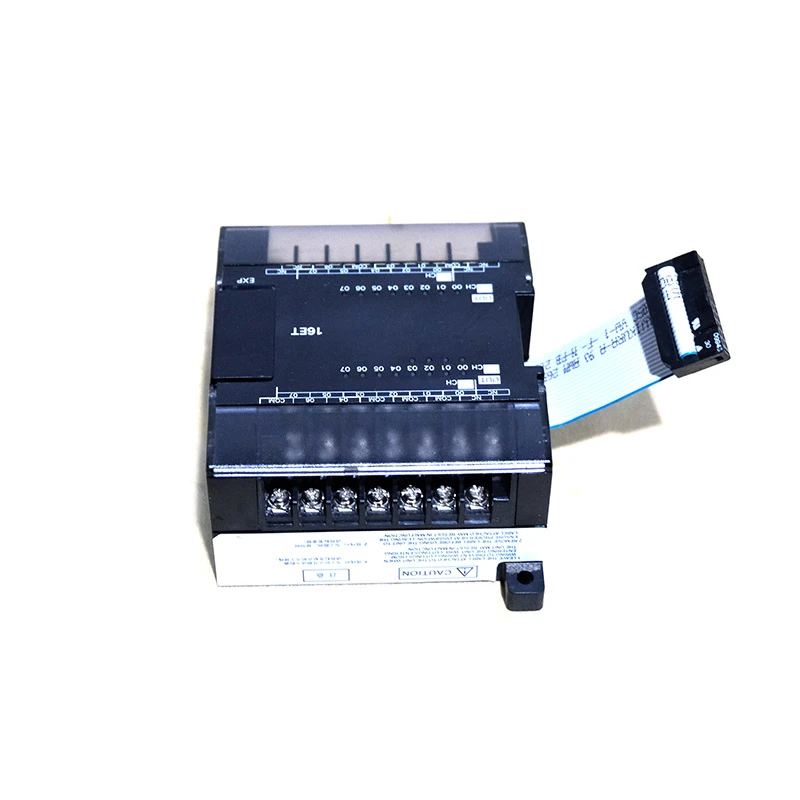
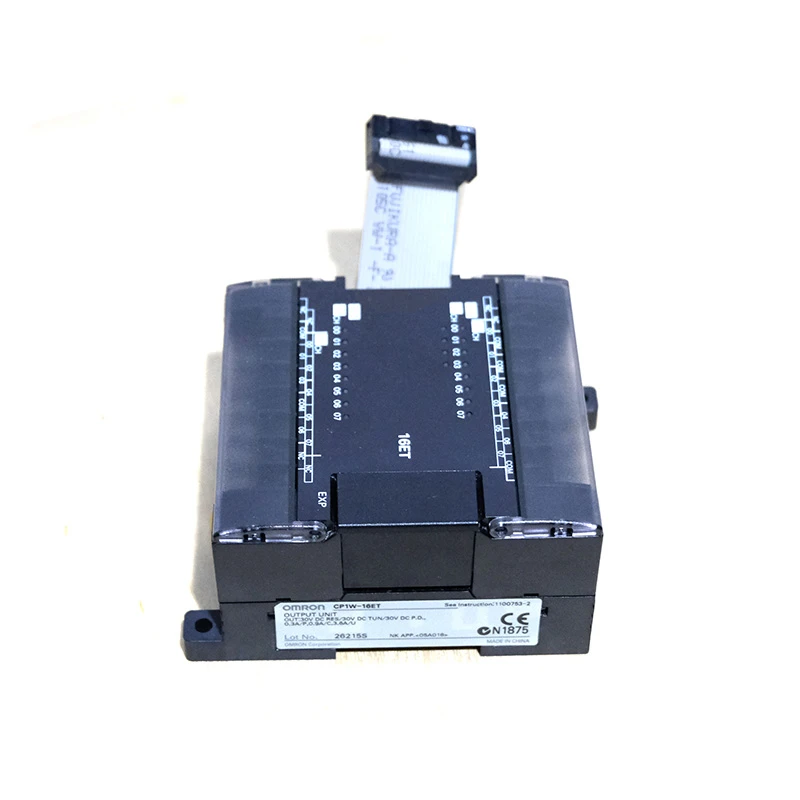
The CP1W‑16ET is an I/O expansion unit that plugs into the CP1L, CP1E, or CP1H PLC baseplate via the CP1W‑series side‑by‑side expansion bus, extending the total output capacity of the controller without requiring a full CPU upgrade. The module is a pure output unit with no inputs, featuring 16 isolated NPN transistor outputs that switch current from the 24 VDC field‑supply through the load to ground. This sinking output type is compatible with sensors, relays, small contactors, stack‑lights, and pilot indicators commonly used in machine‑tool control, packaging lines, and material‑handling systems. The compact 90×86×50 mm footprint and ≈250 g weight make it easy to stack multiple CP1W‑series units on a single PLC base.
Technically, each output channel on the CP1W‑16ET is rated for maximum 0.3 A at 24 VDC, with a typical ON/OFF delay of 0.1–1 ms, ensuring fast, responsive switching for discrete control tasks. The module operates from the CPU‑backplane power and the 24 VDC field‑supply connected to the I/O terminals, and it is designed for standard industrial‑grade 24 VDC control circuits conforming to common PLC‑cabinet wiring practices. The CP1W‑series uses spring‑clamp or screw‑type terminal blocks for field wiring, and each output has a front‑panel LED to indicate its on‑/off state for commissioning and diagnostics. The unit supports full CP1 family bus communication, allowing the PLC to read and write output states directly without external signal conditioning.
Mechanically, the CP1W‑16ET is built in Omron’s classic compact PLC‑module form, with a plastic housing and robust terminal‑block design intended for DIN‑rail or chassis‑mount installation in control cabinets. The IP‑type rating is typical for open‑type PLC modules (installed inside enclosures), and the unit is rated for standard industrial ambient temperatures (0–55 °C) and non‑condensing humidity. Because it is an I/O expansion, not a CPU, the CP1W‑16ET can be hot‑swapped in many configurations (subject to the PLC’s I/O‑expansion rules), facilitating field replacements and system‑capacity upgrades. The module is commonly used alongside input and analog CP1W units to build scalable control systems for assembly lines, packaging machines, and small‑batch production cells.