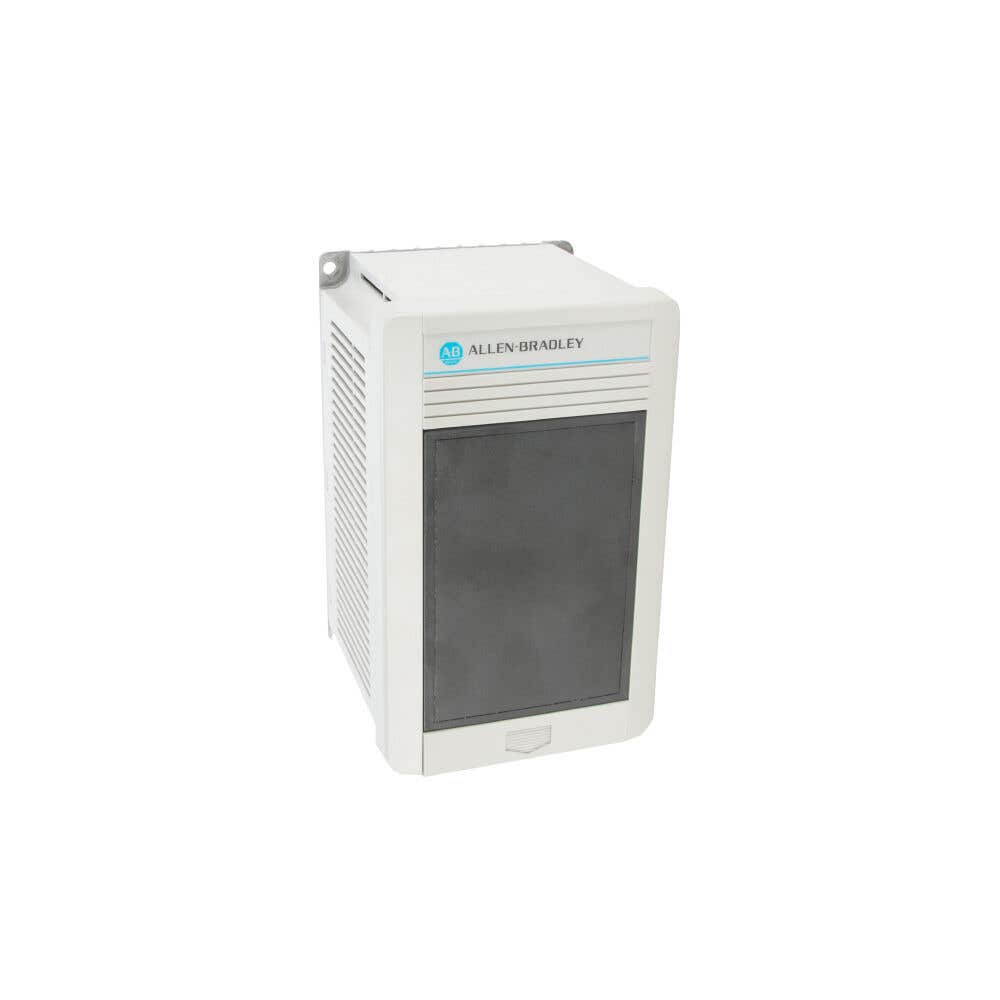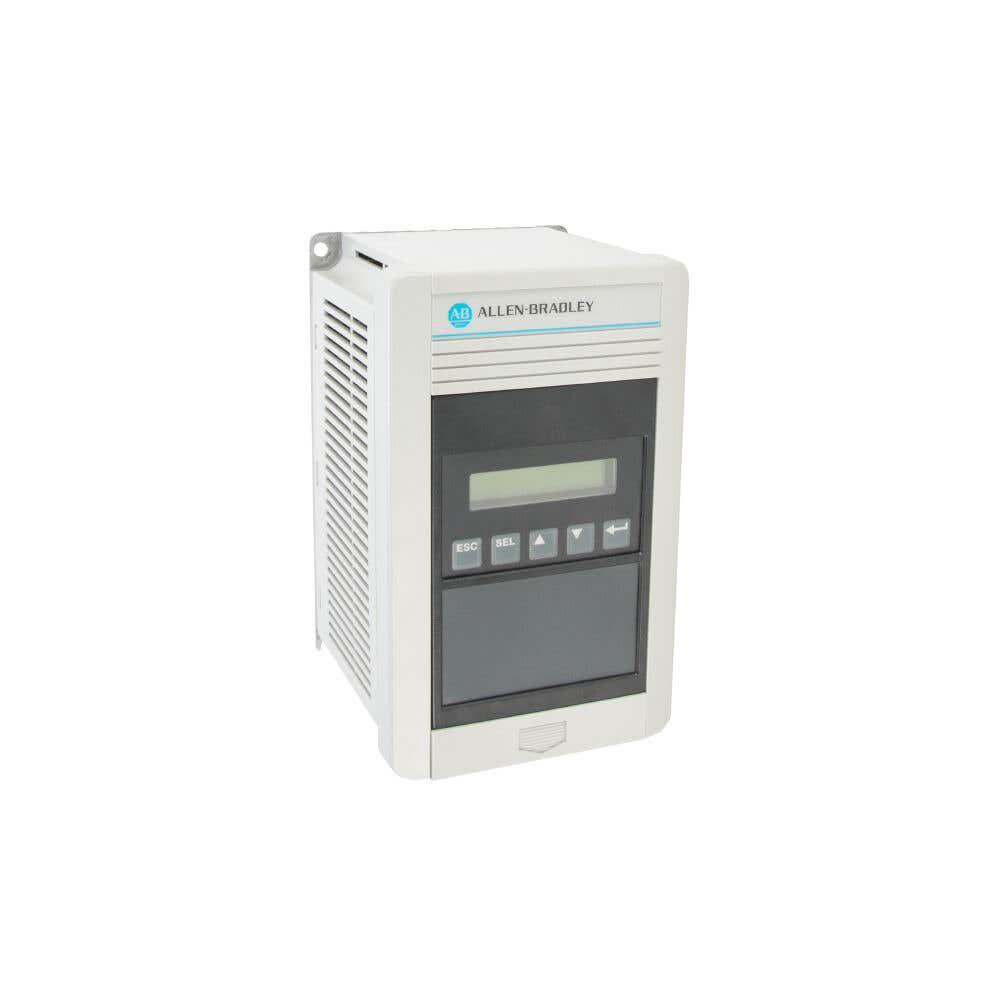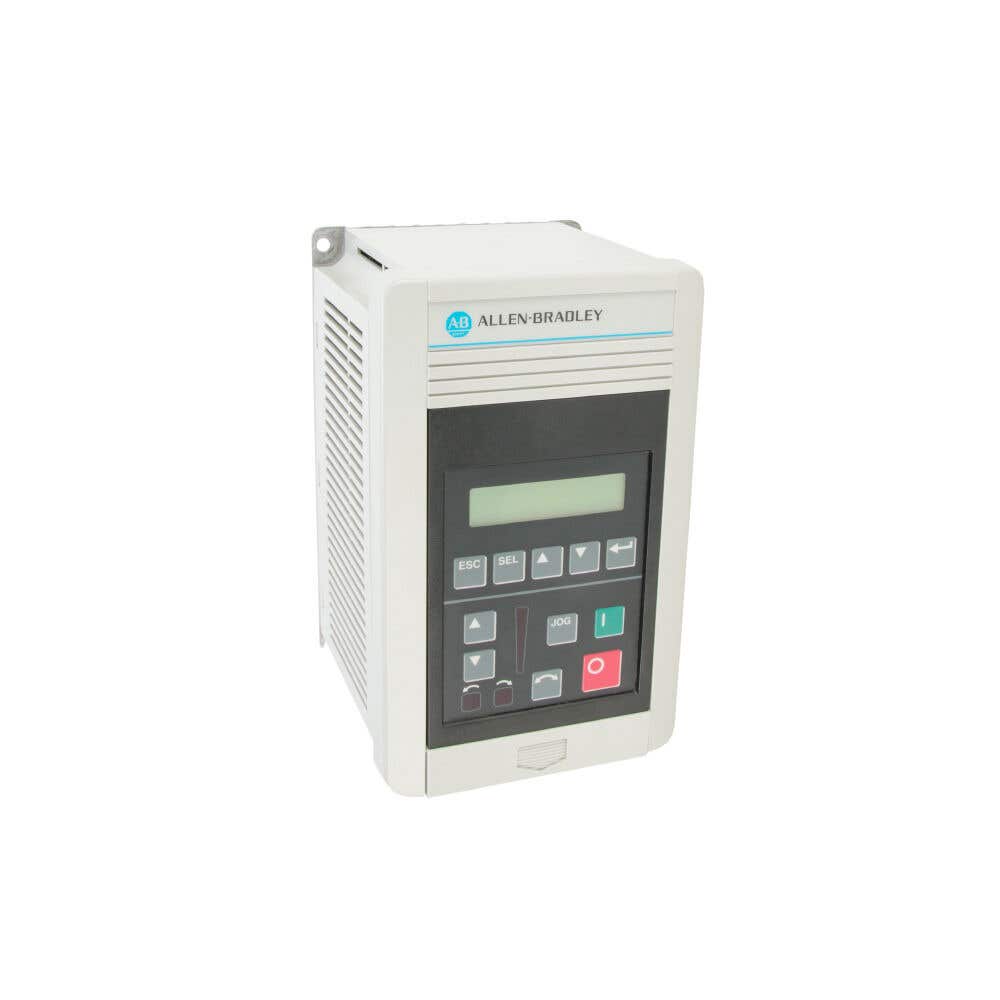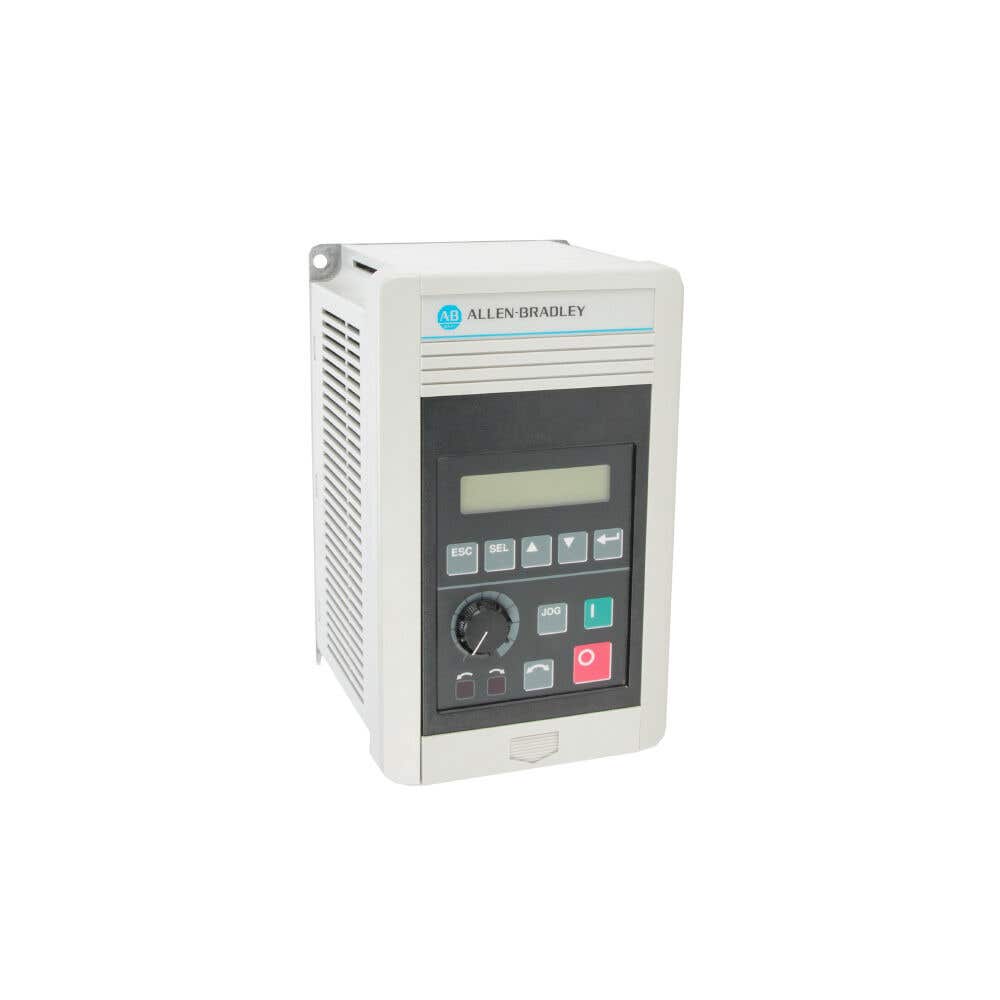

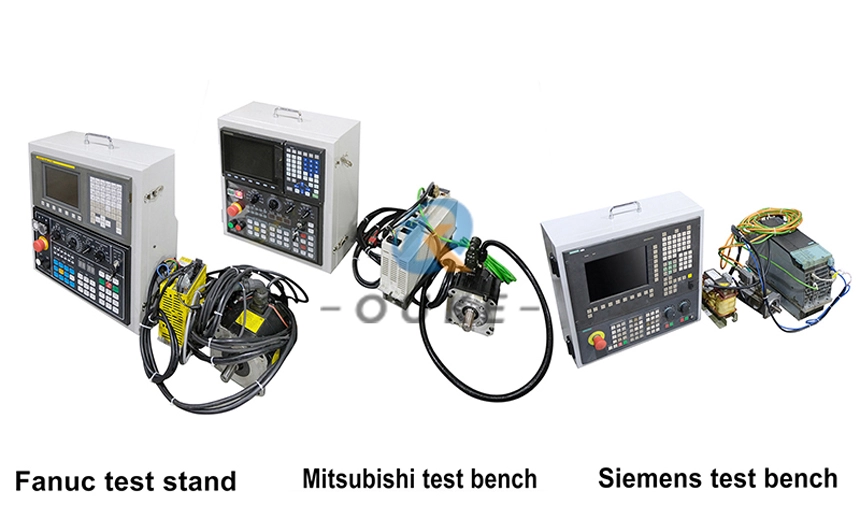
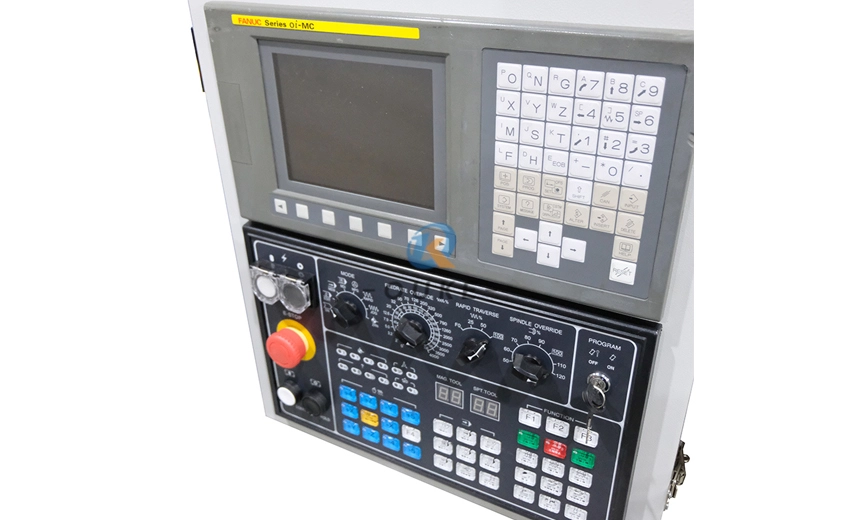

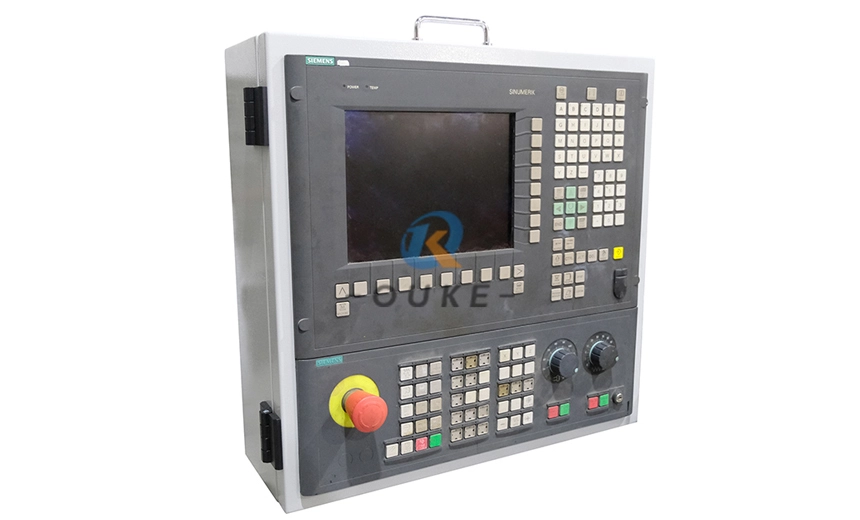

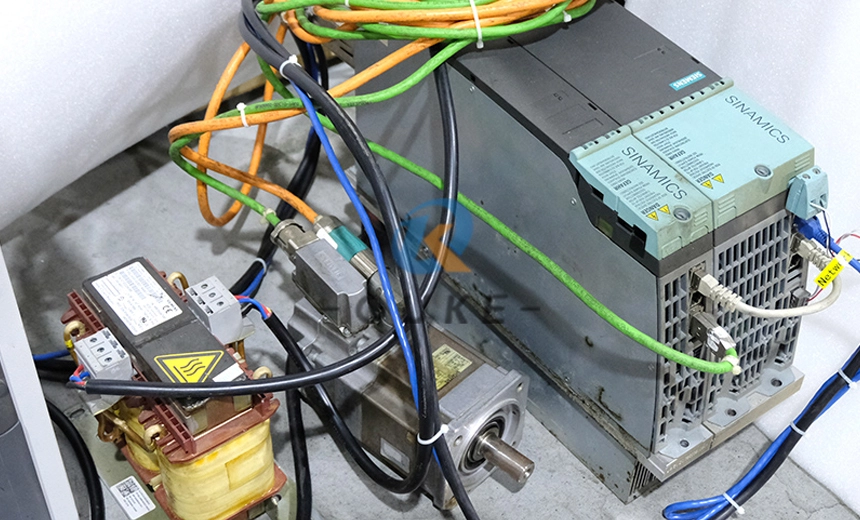
The Fanuc/Mitsubishi/Siemens Numerical Control System Maintenance Test Platform from OUKE is designed as a fully assembled workbench that integrates a matching CNC device (0i‑, 16i/18i‑, 30i‑series or Siemens SINUMERIK / Mitsubishi MELDAS equivalents), frequency‑conversion spindle drive, three‑phase asynchronous motor, and AC/DC servo motors to simulate real‑machine operation. It supports spindle drive testing, servo‑amp testing, PLC I/O diagnostics, and overall CNC‑controller verification for Fanuc, Mitsubishi, and Siemens platforms, making it ideal for CNC‑repair shops, spindle rebuilders, and automation engineers who need to test rebuilt or suspected‑faulty hardware before re‑installing it on a production machine.
Technically, the test bench replicates the electrical, power, and communication interfaces of a real CNC machine, including AC 200–230 VAC mains input, DC bus connections, FSSB/serial buses for Fanuc, Profibus/EtherCAT‑compatible wiring for Siemens, and proprietary Mitsubishi I/O links. The integrated frequency‑conversion spindle drive and 3‑phase motor simulate spindle behavior (speed change, braking, and load), while AC/DC servo motors mimic feed‑axis dynamics, enabling closed‑loop motion checking, encoder feedback verification, and alarm‑simulation. The bench is configurable to match specific control series (e.g., 0i‑MA/MC, 16i/18i, 30i, SINUMERIK 840D, MELDAS 64/50) and supports one‑stop service from design and wiring to operator training and troubleshooting support.
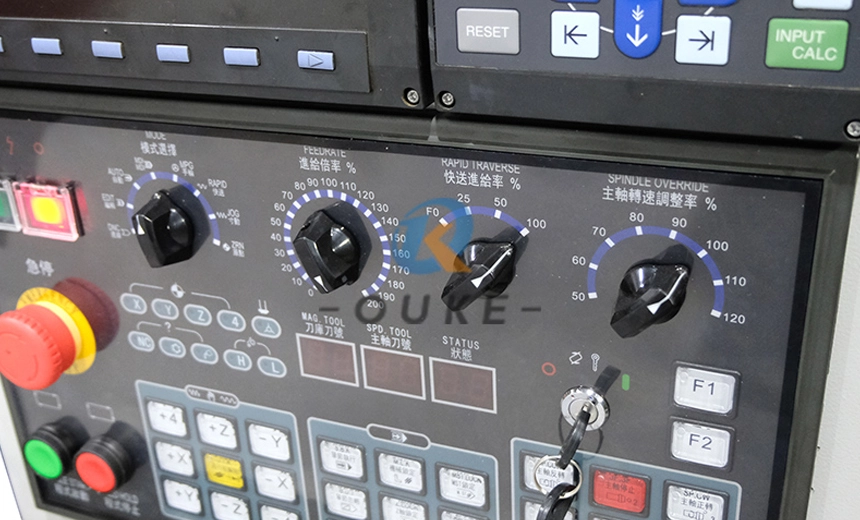
Physically, the platform is a compact, bench‑top test cabinet mounted on a welded steel frame with casters, featuring interlocking relays, circuit breakers, emergency stops, and overload protection to ensure operator safety during high‑power testing. The faceplate includes diagnostic LEDs, metering for voltage/current, and labeled test‑points to simplify fault‑isolation. The bench is typically offered with a 3–12‑month warranty (depending on configuration and whether components are new or refurbished), and it is sold in customizable forms: users can select voltage class (200 V vs 400 V), I/O channel count, optional PLC modules, and HMI panels, making it scalable from a basic servo‑drive checker to a full‑series CNC‑control simulator for complex shops.