
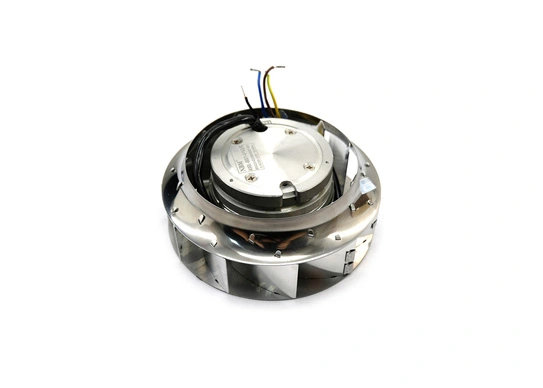
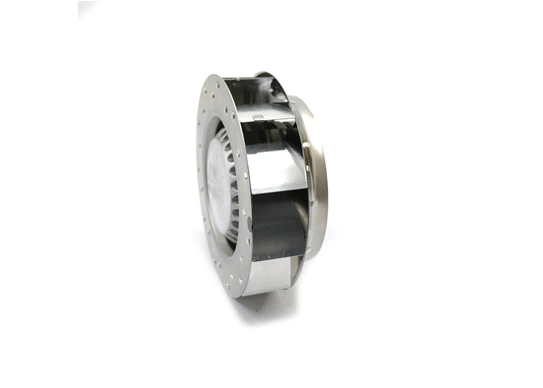
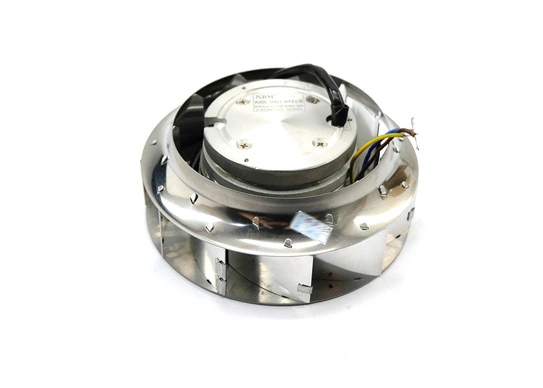
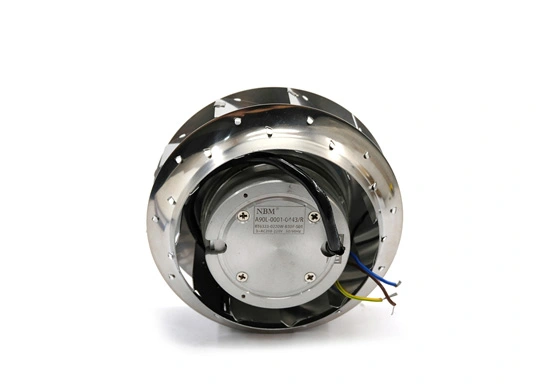
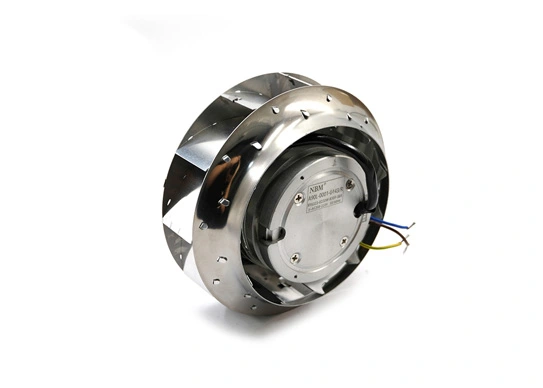
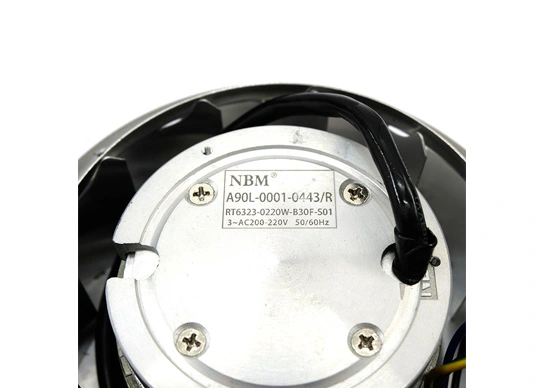
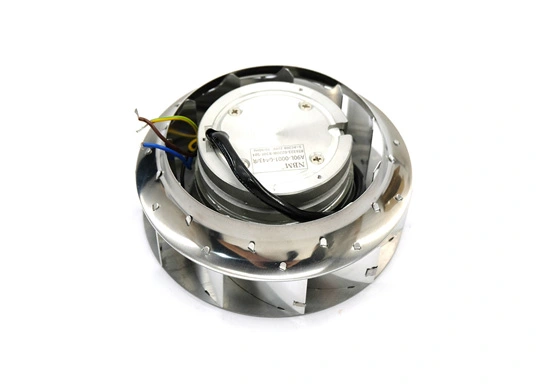
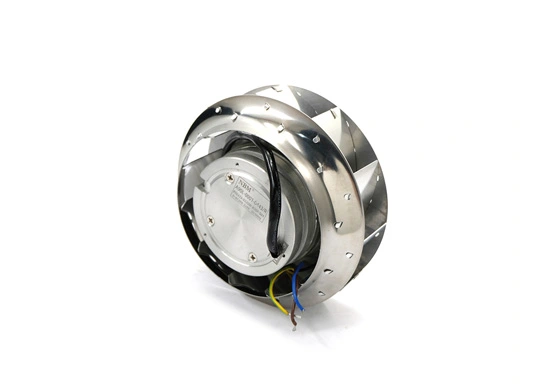
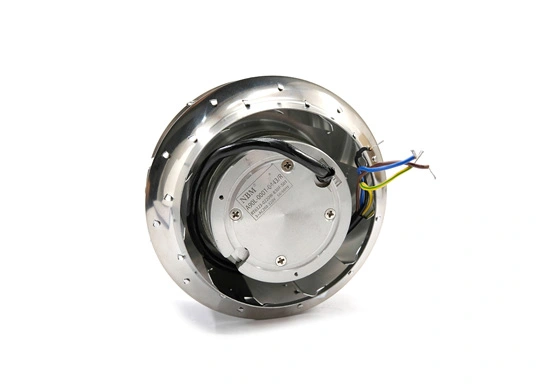
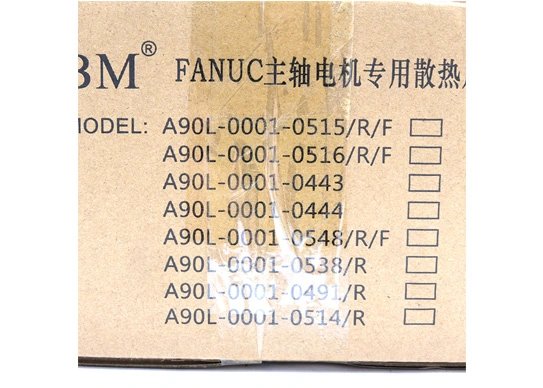
The A90L‑0001‑0443 fan is designed as a compact heatsink‑mount or cabinet‑mounted fan for Fanuc Alpha‑series spindle amplifier racks and servo‑drive heatsinks, where it supplies forced air‑flow over the heatsink fins to dissipate heat from IGBTs and power components. It is used in CNC machining centers, turning machines, and Fanuc robots that require long‑run, high‑temperature stability, especially in high‑power spindle and multi‑axis servo applications. The fan is often sold under suffixes like A90L‑0001‑0443/R or A90L‑0001‑0443/F, which usually indicate different mounting brackets or wiring harnesses but share the same core 200 VAC 3‑phase motor.
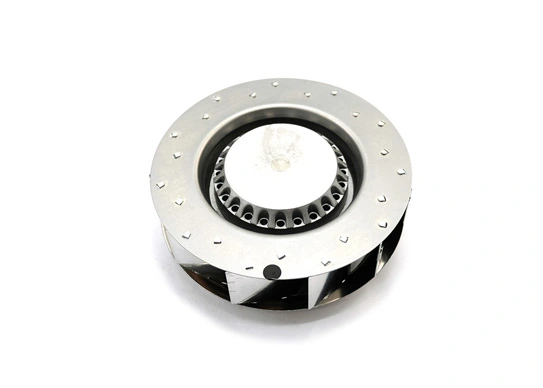
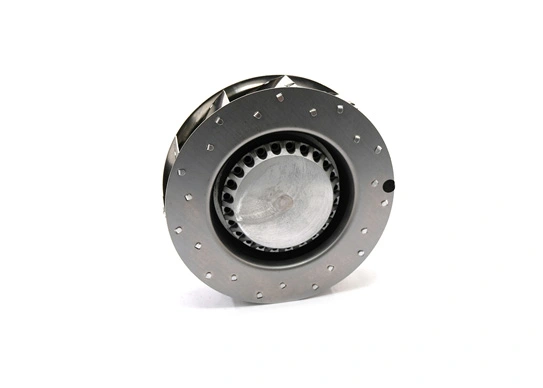
Technically, the A90L‑0001‑0443 is a 3‑phase AC fan motor operating at 200 VAC, 50/60 Hz, drawing low current (around 0.12–0.13 A per phase) while running at roughly 2800–3000 rpm and moving moderate air volume for its compact size. It is built as a centrifugal or axial‑centrifugal fan unit with a rectangular frame and internal impeller, optimized for low‑noise operation in industrial cabinets (typically around 25–30 dB). The fan is mounted directly to the spindle‑amp heatsink or cabinet hood using a standardized bolt pattern, and power is fed from the same AC 200 V bus that supplies the servo amplifiers, so it runs whenever the drive rack is energized and provides constant cooling.
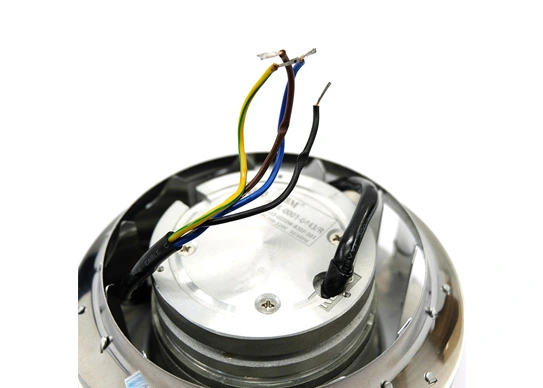
Mechanically, the A90L‑0001‑0443‑class units are small, frame‑style fan‑motor assemblies designed for panel‑mounting in tight drive cabinets, with a screw‑on or flange‑mount back plate that mates cleanly with the heatsink surface. Many variants include a pre‑wired 3‑phase harness that terminates in either bare leads or a molded connector, making replacement straightforward: simply unbolt the old fan, align the new A90L‑0001‑0443 fan to the same mounting points, and reconnect the 3‑phase wires or connector. The fan is built for continuous‑duty, 24/7 industrial use, with a typical 50,000‑hour service life and high‑reliability bearings and motor that resist clogging from dust and vibration in machine‑tool environments.