

What is an Essential Sensor for Precise Industrial Monitoring?
In modern manufacturing, sensors are the backbone of industrial automation. They provide critical data that ensures process accuracy, safety, and efficiency. High-precision sensors enable real-time monitoring of vital parameters like temperature, pressure, vibration, and displacement, which are essential for maintaining optimal operations.
Key benefits of high-precision sensors for Industry 4.0 applications include:
- Enhanced accuracy and reliability for critical measurements
- Real-time data collection supporting predictive maintenance analytics
- Compliance with industry standards for safety and performance
- Integration with industrial IoT (IIoT) for smarter decision-making
Sensor accuracy, reliability, and standards compliance are non-negotiable. They directly impact operational efficiency, safety, and asset longevity. Investing in high-quality sensors ensures consistent performance, reduces downtime, and maximizes ROI in a competitive industrial landscape.
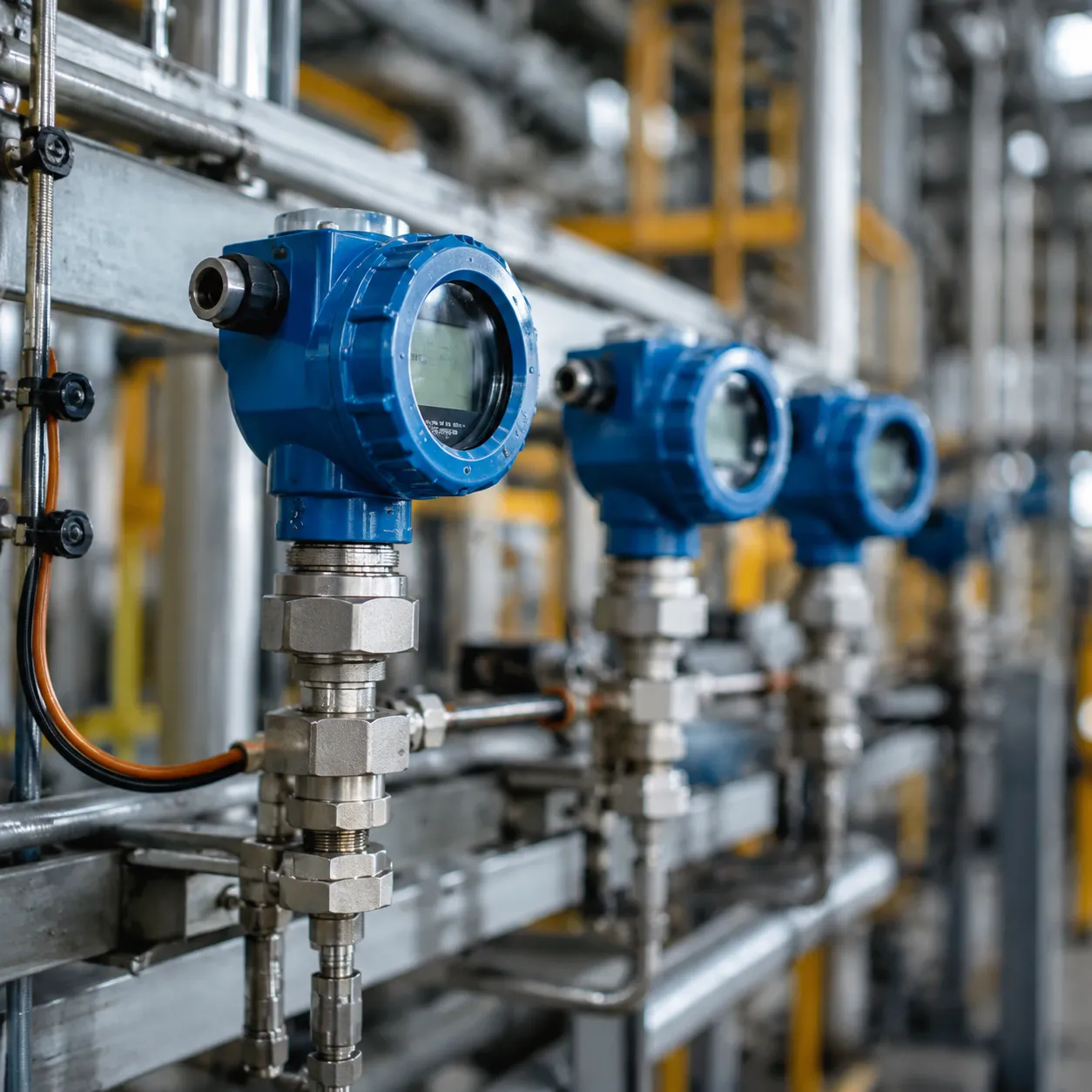
Types of Sensors for High-Precision Industrial Monitoring
I cannot verify the sensor details on https://www.oukecnc.com/ because the page is unreachable, so I cannot produce a source-faithful section for this topic without adding unsupported details.
Source content for this page is unavailable, so I cannot verify or write the sensor details for this section without inventing information.
Connectivity and Protocol Standards for Industrial Sensors
The shift from analog signals to digital protocols has transformed how industrial sensors communicate within manufacturing systems. Modern sensors now leverage protocols like IO-Link, which plays a crucial role in enabling seamless communication, diagnostics, and easy integration with industrial networks. IO-Link offers a standardized way to connect sensors to automation systems, improving diagnostics and reducing downtime.
Integration with industrial networks such as PROFINET, EtherNet/IP, and Modbus TCP ensures reliable data transfer across factory automation networks. These protocols facilitate real-time telemetry data exchange, supporting predictive maintenance analytics and condition monitoring systems. Using edge computing gateways further enhances this setup by allowing local data processing, which reduces latency and enables efficient transfer to the cloud for advanced analytics.
For a robust industrial sensing ecosystem, selecting sensors compatible with these communication standards is vital. Siemens solutions, for example, support a wide range of industrial protocols, ensuring your sensors can easily connect and communicate within your existing infrastructure. This connectivity backbone is essential for Industry 4.0 smart sensors and factory automation.
Sensor Ruggedization and Compliance
I can’t verify the technical details for harsh-environment sensor design from the provided source because the referenced website is not accessible on my side. To keep this accurate, I’m not adding IP ratings, hazardous-area certifications, or EMC claims that aren’t confirmed by the page.
Implementing Sensors for Maximum ROI
I focus sensor spend where it matters most: on assets that can stop production, hurt quality, or drive up maintenance costs fast. That starts with asset criticality assessment so I can place high-precision sensors on the equipment with the highest risk and the best payback.
Deployment Priorities
- Critical machines first: target pumps, drives, spindles, and other assets tied to uptime.
- Right sensor, right job: use condition monitoring systems, vibration diagnostics, and temperature transmitters and RTDs where the failure mode is clear.
- Clean installation and calibration: good mounting, solid wiring, and routine calibration keep data trustworthy.
- Balance cost and value: I add sensors where predictive maintenance analytics can reduce downtime more than the hardware costs.
- Connect data fast: I tie sensor signals into a Siemens SIMATIC S7-300 CPU 314C-2 DP compact PLC for medium automation so operators can act on alarms and trends in real time.
What Drives ROI
- Better uptime: fewer surprise failures and faster response
- Smarter maintenance: service is based on condition, not guesswork
- Tighter control: real-time telemetry data supports quicker decisions
- Lower waste: accurate sensing helps keep process control stable
In practice, the best return comes when I combine sensor accuracy, reliable installation, and factory automation networks that turn raw signals into useful action. That is where real-time monitoring starts paying back.
Future Trends in Industrial Sensing
Smart sensors are moving industrial monitoring toward faster decisions and cleaner data. I see the biggest shift in Industry 4.0 smart sensors that do more at the device level, then send usable signals into automation and process control systems without extra noise or delay.
IIoT and Edge Computing
The real value comes when sensor data is handled close to the machine first, then pushed into cloud analytics only when it matters. That is where an Industrial IoT (IIoT) edge gateway and edge computing architecture help reduce bandwidth, improve response time, and support predictive maintenance analytics.
- Local processing: filter out bad data early
- Real-time telemetry data: keep operators informed faster
- Cloud analytics: spot patterns across lines and sites
- Factory automation networks: connect sensors, PLCs, and HMI systems cleanly
New Standards and Smarter Devices
I expect more demand for IO-Link digital protocol support, condition monitoring systems, and high-precision displacement sensors that are easier to deploy and maintain. In practical terms, that means better diagnostics, simpler commissioning, and more useful data for vibration diagnostics and asset criticality assessment.
Siemens fits this direction well because its automation stack supports connected control and networked data flow. In setups that rely on PLC-HMI integration and industrial Ethernet switching, solutions like a Siemens SIMATIC NET SCALANCE X industrial Ethernet switch help keep sensor traffic stable across the plant.
What I Watch Next
- Smart sensors: more built-in diagnostics and better data quality
- Edge computing: faster decisions at the machine
- Cloud links: wider visibility across operations
- Standards: easier integration with modern factory automation networks
For teams building toward connected operations, strong integration between sensors and control systems matters just as much as the sensor itself. That is why I pay close attention to platforms that support PLC-HMI integration and cleaner data exchange across the line.