

In the maintenance of modern industrial automation equipment, managing obsolete parts is an essential task that cannot be overlooked. Obsolete parts management is not just about inventory control; it directly impacts maintenance efficiency, safety, and long-term operational costs. If obsolete parts are not properly handled, businesses may face overstocked inventories, increased costs, and potential safety hazards. In this article, we will explore the importance of obsolete parts management and share strategies for effective management.
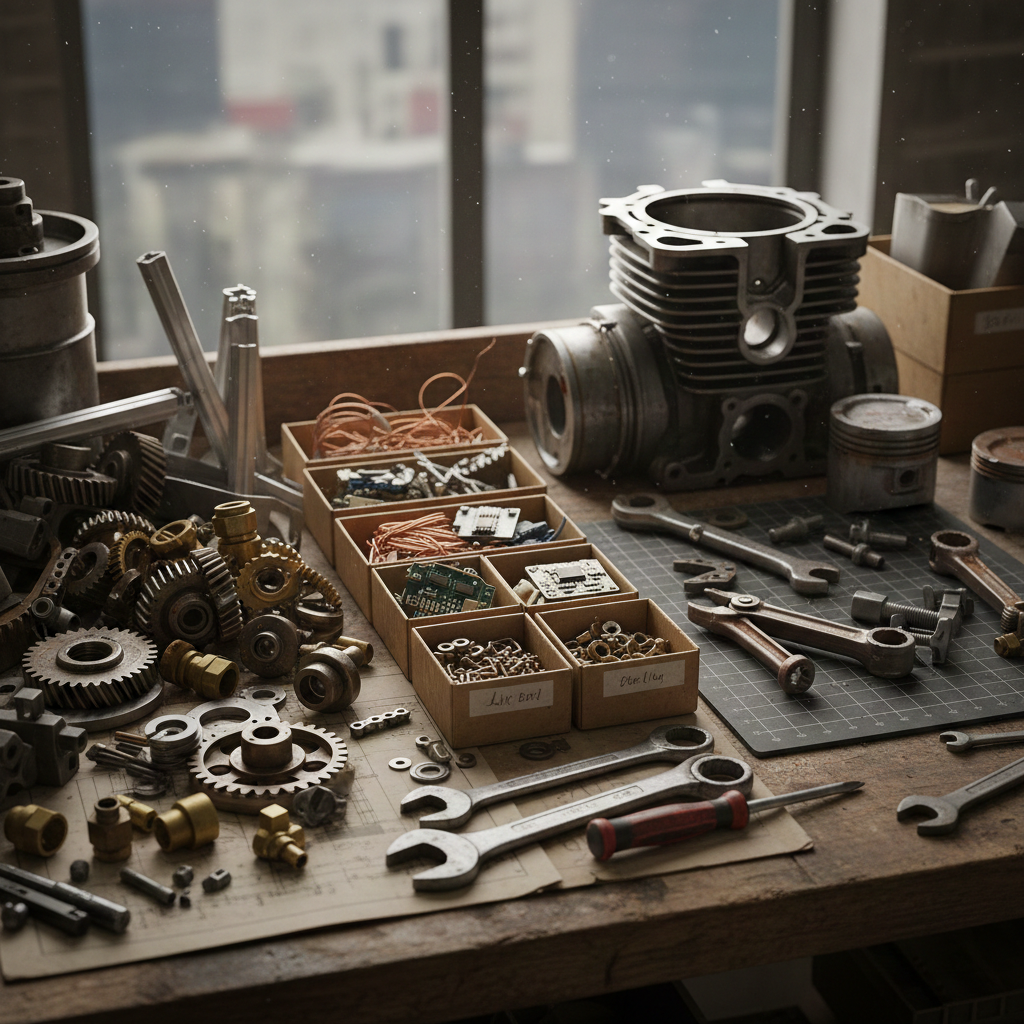
The Importance of Obsolete Parts Management
Obsolete parts refer to components that are no longer manufactured or used in new equipment. These parts typically become obsolete due to technological advancements, changes in industry standards, or the discontinuation of specific products or models. For businesses, managing obsolete parts is crucial, as it can:
1. Reduce Costs
By identifying and removing obsolete parts from inventory, businesses can reduce the costs associated with storing and managing these parts. They can also avoid the unnecessary expense of purchasing replacement parts that are no longer needed. Additionally, removing obsolete parts helps lower costs related to repair mistakes.
2. Optimize Inventory
Obsolete parts take up valuable space in the inventory, making it difficult to organize and store other critical components. By clearing these parts, businesses can better organize their inventory, making room for essential items that are still in use.
3. Increase Efficiency
Having an organized and up-to-date inventory can significantly reduce the time and resources needed to locate and retrieve parts. This leads to better operational efficiency, minimizes downtime, and enhances overall performance.
4. Improve Safety
Using obsolete parts in repairs or replacements can introduce safety risks. Proper management and disposal of these obsolete components ensure that equipment is maintained to the highest safety standards, protecting both operators and equipment from potential hazards.
Strategies for Effective Obsolete Parts Management
To achieve effective obsolete parts management, businesses should implement the following strategies:
1. Regular Inventory Analysis
Regular inventory analysis is essential for identifying obsolete parts. The analysis should include the review of usage rates, supplier information, and lead times. This will help businesses pinpoint parts that are no longer needed and take appropriate action.
2. Disposition Planning
Once obsolete parts are identified, a disposition plan should be developed. This plan should include options such as selling, scrapping, or donating the parts. Ensuring proper disposal helps clear up valuable space and prevents obsolete parts from cluttering the inventory.
3. Replacement Planning
Replacement planning is another crucial aspect of managing obsolete parts. Businesses should identify alternative parts that can be used to replace obsolete components. This planning should consider the availability, cost, and compatibility of replacement parts to avoid production disruptions.
4. Effective Communication
Communication between maintenance and purchasing departments is vital for managing obsolete parts. The maintenance team should inform the purchasing department about issues with obsolete parts, allowing the purchasing team to take necessary action. This cross-departmental collaboration ensures smooth and efficient management of obsolete parts.
Conclusion
Obsolete parts management is an essential process for businesses relying on complex machinery and equipment. Effective management can help businesses reduce costs, optimize inventory, increase efficiency, and improve safety. By implementing strategies such as inventory analysis, disposition planning, replacement planning, and effective communication, we at Dongguan Ouke Automation Equipment Co., Ltd aim to effectively manage obsolete parts and ensure our equipment is maintained to the highest standards.
As businesses face increasing demands in industrial equipment, managing obsolete parts is not only key to improving operational efficiency but also a vital safeguard for staying competitive in the market.