

Core Components of a Modern Industrial Automation System
Industrial automation relies on a range of core components working seamlessly to optimize manufacturing and control processes. Here’s a breakdown of the essential building blocks you’ll find in any advanced automation system:
Sensors and Actuators
Sensors collect real-time data on temperature, pressure, flow, and machine status, while actuators execute commands like opening valves, moving motors, or stopping conveyor belts. Together, they form the physical backbone of automation, enabling precise monitoring and control.
Programmable Logic Controllers (PLC) & PACs
PLCs are the traditional workhorses of industrial automation, offering reliable, real-time control of machines and processes. Programmable Automation Controllers (PACs) extend these capabilities with enhanced data handling, complex logic, and connectivity for smarter factory automation.
Human-Machine Interface (HMI)
HMIs provide operators with intuitive dashboards to interact with machines, monitor performance, and respond to alerts. Modern HMIs use touchscreens, graphical displays, and web-based interfaces for efficient, user-friendly control.
SCADA Systems
Supervisory Control and Data Acquisition (SCADA) systems offer centralized monitoring and management, collecting data from sensors and PLCs across plants. SCADA enables real-time visualization, alarms, and historical data logging critical for decision-making at scale.
Industrial IoT Gateways and Edge Devices
IIoT gateways bridge sensors and legacy equipment to cloud or on-premise networks. Edge devices process data locally to reduce latency and enable faster responses, essential for predictive maintenance, quality control, and adaptive automation.
Motion Control and Robotics
Precision motion controllers manage servo systems and stepper motors in robotics and CNC machines. Robotics, including collaborative robots (cobots), bring flexibility and repeatability to tasks like assembly, welding, and packaging.
MES and ERP Integration Layers
Manufacturing Execution Systems (MES) and Enterprise Resource Planning (ERP) platforms connect automation data to production scheduling, inventory, and supply chain management. This integration streamlines workflows and supports smart manufacturing goals.
Together, these components create a robust foundation, making modern industrial automation systems highly responsive, scalable, and efficient for today’s demanding manufacturing environments.
Key Technologies Driving Industrial Automation in 2026
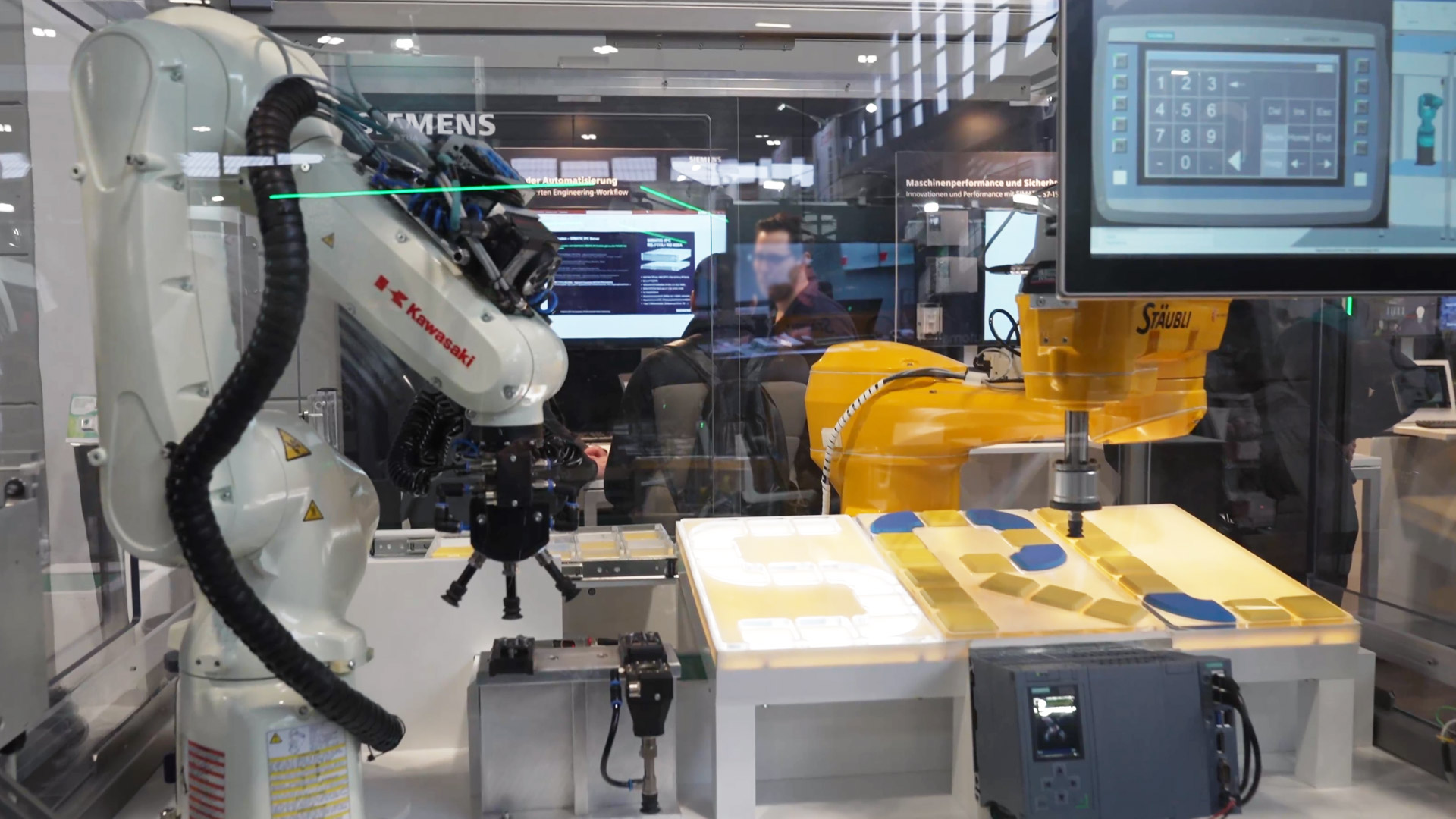
The industrial automation landscape in 2026-2026 is shaped by several cutting-edge technologies that are boosting efficiency and reliability across factories. The Industrial Internet of Things (IIoT) connects machines and devices, gathering data to optimize operations in real-time. Powered by Artificial Intelligence (AI) and Machine Learning, systems now enable predictive maintenance to reduce downtime and use quality vision solutions to catch defects early.
Digital Twins create virtual replicas of physical assets, allowing manufacturers to simulate and improve processes before physical changes happen. With the rollout of 5G private networks, factories gain ultra-fast, low-latency communication, essential for real-time control and analytics.
Collaborative robots (cobots) work safely alongside humans, improving flexibility and workforce support. Communication protocols like OPC UA combined with Time-Sensitive Networking (TSN) ensure deterministic, reliable data exchange across automation and control systems.
Cloud and hybrid cloud platforms are becoming the backbone for scalable factory automation, enabling seamless integration of various systems and data analytics. Meanwhile, heightened focus on cybersecurity, guided by standards like IEC 62443, ensures that these connected systems remain secure from evolving threats.
Together, these technologies are powering the next wave of smart manufacturing and digital transformation initiatives across the US industrial sector.
Types of Industrial Automation Systems
Industrial automation systems come in several forms, each suited to different manufacturing needs and goals:
-
Fixed Automation
This involves specialized equipment designed for a specific task with high production volumes. It’s ideal for repetitive processes where the product and sequence rarely change, such as automotive assembly lines.
-
Programmable Automation
Programmable automation uses control systems like PLCs to allow reprogramming for different tasks. This flexibility suits batch production where the product changes regularly, giving manufacturers agility without full redesigns.
-
Flexible Automation
With flexible automation, equipment can quickly switch between different tasks and products with minimal downtime. It relies heavily on robotics and automation control systems, supporting smart manufacturing environments where customization and fast changeovers are essential.
-
Integrated Automation (Smart Factories)
The most advanced type, integrated automation, combines all plant systems—MES, ERP, IoT devices, robotics, and control systems—into a seamless, connected operation. This level supports real-time data-driven decisions, predictive maintenance, and full factory digital transformation.
Each type plays a crucial role depending on production scale, variety, and the level of automation maturity a facility aims to reach. For instance, flexible automation and integrated smart factory setups are becoming essential in industries focused on rapid innovation and responsiveness.
For industries like metal processing and machining, where CNC technology thrives, integrating programmable and flexible automation can dramatically improve precision and productivity. Explore our specially tailored CNC machining solutions for more insights.
Top Industries Benefiting from Automation in 2026
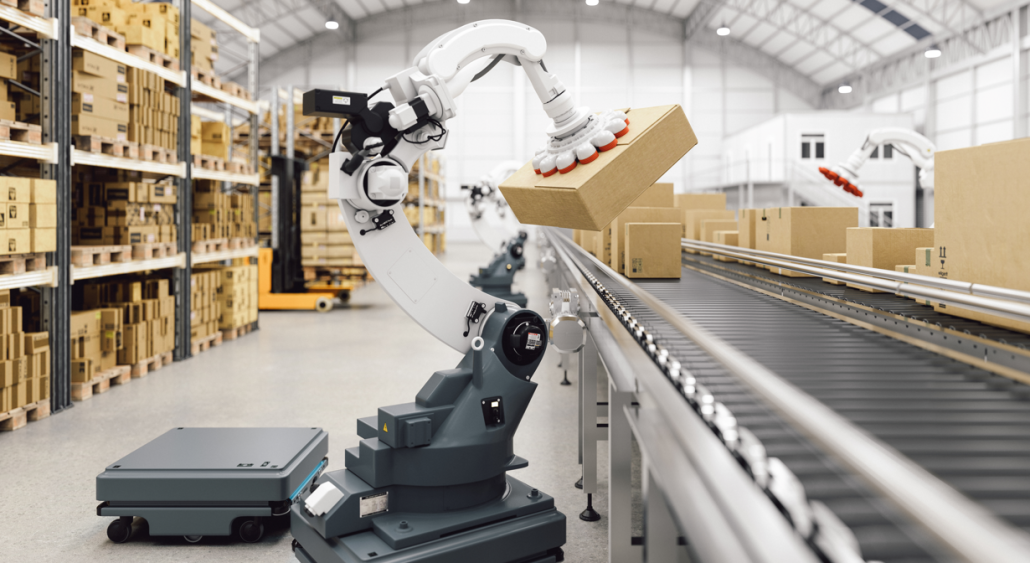
Industrial automation is making a big impact across several key industries in 2026. Automotive and EV manufacturing continue to lead the way, using automation to boost production speeds and improve quality while handling complex assembly tasks. The food and beverage sector relies on automation for consistent packaging, safety compliance, and reducing waste. In pharmaceuticals and life sciences, automation ensures precision and traceability, critical for regulatory compliance and product quality.
Electronics and semiconductor manufacturing benefit from automation’s precision and flexibility, especially in cleanroom environments where speed and accuracy matter. Metal processing and machining are seeing huge gains through CNC automation, where companies like oukecnc provide robust retrofit solutions and turnkey automation support that deliver faster cycle times, higher accuracy, and better tool management. Their expertise in servo motors common fault repairs also helps keep machinery running smoothly, minimizing downtime.
Lastly, logistics and warehousing embrace factory automation to optimize inventory management, streamline order fulfillment, and reduce labor costs. Across these industries, automation drives productivity, quality, and adaptability—key factors for staying competitive in 2026.
Real-World Benefits & Proven ROI
Industrial automation delivers clear, measurable benefits that justify the investment quickly. Here’s what businesses typically see:
| Benefit | Impact |
| Productivity & Throughput | Faster processes, less downtime, higher output |
| Quality Improvement | Fewer defects, consistent product standards |
| Energy Efficiency | Smarter use of power, lower costs, greener operations |
| Worker Safety & Ergonomics | Reduced manual handling, safer environments |
| Scalability & Speed | Easier to scale up production, quicker time-to-market |
Automated systems reduce human error and increase operational speed, providing a substantial boost in productivity and throughput across industries. Quality control improves with advanced sensors and machine vision, leading to fewer defects and less waste.
Additionally, automation helps cut energy consumption by optimizing machine usage and minimizing idle times, supporting sustainability goals. Worker safety also takes a leap forward, as robots and automated equipment handle more dangerous or repetitive tasks.
Finally, manufacturers enjoy more flexibility to scale operations and bring products to market faster — a critical edge in today’s competitive landscape.
For example, integrating Allen Bradley industrial automation products can further improve control precision and reliability, driving ROI even higher.
Latest Trends Shaping the Future (2026-2026)
The future of industrial automation is running full speed toward smarter, safer, and more sustainable factories. Here are the top trends set to transform the industry through 2026 and 2026:
-
AI-driven autonomous plants: Factories are becoming self-managing with AI handling everything from production planning to real-time adjustments. This means less manual oversight and more efficient operations.
-
Explosive growth in human-robot collaboration: Cobots (collaborative robots) are now working side-by-side with humans on the factory floor. This partnership boosts agility and safety while allowing for flexible workflows.
-
Zero-trust cybersecurity adoption: With connected systems everywhere, adopting zero-trust models ensures strict identity verification and limits access, closing security gaps in industrial control systems.
-
Sustainability and circular manufacturing: Eco-friendly manufacturing is no longer optional. Automation systems now focus on reducing energy use, cutting waste, and enabling circular economy practices.
-
Low-code/no-code automation platforms: These tools empower engineers and even operators to build or modify automation workflows with minimal coding—speeding up innovation and reducing IT bottlenecks.
-
Integration of generative AI for process optimization: Generative AI models analyze huge datasets to suggest process improvements and optimize production parameters—not just reacting to problems, but predicting the best moves ahead.
Together, these trends are reshaping factory automation into a dynamic, intelligent, and resilient industry layer. Staying ahead means embracing these shifts while ensuring integration with proven hardware like high-performance PLC modules available from trusted sources such as Emerson 90-30 Series PLC modules.
Industrial automation isn’t just evolving—it’s leaping forward.
Step-by-Step Guide: How to Implement Industrial Automation Successfully
Phase 1: Assessment & Goal Definition
Start by understanding your current processes and setting clear goals. Identify pain points, bottlenecks, and what you want to achieve—whether it’s higher throughput, better quality, or energy savings. This step lays the foundation for the whole project.
Phase 2: Technology Selection & Proof of Concept
Choose the right automation and control systems that fit your needs. Evaluate PLC automation options, SCADA systems, and Industrial IoT devices. Building a small-scale proof of concept helps test if the chosen technology works in your environment before full rollout.
Phase 3: System Design & Integration
Design the system architecture, integrating sensors, actuators, HMIs, and industrial control systems. Seamless MES and ERP integration also play a crucial role here. Engage experienced partners to ensure all components communicate smoothly, minimizing compatibility issues.
Phase 4: Installation, Testing & Commissioning
With systems designed, move to physical installation. Thorough testing of the entire setup ensures everything functions as planned under real operating conditions. Commissioning confirms the system meets safety and performance standards.
Phase 5: Training, Go-Live & Continuous Improvement
Train your workforce on new technologies and best practices for operation and troubleshooting. After going live, continuously monitor performance and tweak processes to improve results. Industrial automation isn’t a “set it and forget it” deal—ongoing improvements drive lasting success.
Common Pitfalls and How to Avoid Them:
-
Skipping detailed assessments leads to misaligned goals.
-
Rushing technology selection without proof of concept risks costly errors.
-
Poor integration causes communication breakdowns between automation and control systems.
-
Insufficient training leads to underutilized capabilities.
-
Neglecting cybersecurity leaves systems vulnerable.
To navigate these challenges, lean on experienced automation providers. For instance, companies with over 20 years of expertise in CNC and automation, like oukeCNC’s turnkey solutions, offer reliable support and proven results, easing the path to a successful implementation.
How to Choose the Right Industrial Automation Partner in 2026
Picking the right industrial automation partner can make or break your project. Here’s what to look for to ensure success:
| Evaluation Criteria | What to Check For |
| Experience | Proven track record with similar industries and projects |
| Local Support | On-site services and quick response times |
| Certifications | Compliance with industry standards like IEC 62443 |
| References | Positive client testimonials and case studies |
Red Flags to Watch For
-
Lack of clear project roadmap or timeline
-
Poor communication or unavailable support
-
No local presence or slow service response
-
Overpromising without detailed technical plans
Why Long-Term Partnership Beats One-Time Deals
Industrial automation isn’t a one-and-done deal—it evolves. A steady partner helps with ongoing support, updates, and scaling as your factory grows. This approach reduces downtime and unexpected costs.
Why OUKECNC Could Be Your Ideal Partner
With over 20 years of CNC and automation expertise, OUKECNC offers turnkey solutions built for reliable performance in the U.S. market. Their global and local support teams ensure fast service, and their customizable controllers and retrofit options have helped companies streamline operations efficiently. For example, their customizable CNC controller systems combine flexibility and precision perfect for modern industrial automation needs.
Choosing a partner like OUKECNC means you get robust technology backed by experienced engineers who understand factory automation inside out. This long-term collaboration ensures you stay competitive with evolving Industry 4.0 technologies and beyond.
Case Studies: Real Results with Industrial Automation
-
Automotive Tier-1 Supplier
A leading automotive supplier partnered with us to overhaul their assembly line. By integrating advanced PLC automation and robotic controls, they reduced cycle time by 42%, boosting throughput without sacrificing quality. This improvement translated directly into faster order fulfillment and higher customer satisfaction.
-
Food Packaging Line with 99.9% OEE
A major food manufacturer achieved a near-perfect overall equipment effectiveness (OEE) rate of 99.9% after upgrading their factory automation systems. With smarter sensors, real-time SCADA monitoring, and predictive maintenance, downtime dropped dramatically, ensuring consistent product quality and supply reliability.
-
Metal Machining Shop with oukecnc Retrofit
A metal processing client specializing in CNC machining significantly optimized their operations by retrofitting older machines with oukecnc’s turnkey CNC automation solutions. This retrofit extended the lifespan of their equipment, improved precision, and increased output. You can explore similar solutions featuring Siemens Simatic S7-300 PLC modules that powered these upgrades.
These examples show how tailored automation can drive substantial productivity, quality, and efficiency gains across industries.
Future Outlook: Industrial Automation 2027 and Beyond
Looking ahead to 2027 and beyond, industrial automation is set to evolve with a strong focus on Industry 5.0, where human-centric automation takes center stage. This next phase aims to blend the strengths of humans and machines, emphasizing collaboration, creativity, and flexibility rather than just efficiency. Expect more human-robot collaboration (cobots) designed to work alongside factory workers safely and intuitively.
Full plant autonomy is also on the horizon, with factories moving toward systems that can self-monitor, self-optimize, and fix issues without human intervention. This shift will rely heavily on advanced AI, digital twins, and integrated industrial IoT solutions.
Regulatory landscapes are tightening, too. U.S. manufacturers will need to keep an eye on evolving standards like the EU Machinery Regulation and stringent carbon reporting rules, driving automation not just for productivity but for sustainability and compliance.
Staying ahead means embracing these trends while choosing partners experienced in future-proof automation solutions—like those familiar with cutting-edge servo motors and control modules, ensuring your systems are ready for 2027 and beyond. For example, exploring expert guides on servo motors and joysticks can help your team prepare for these advanced capabilities.